Hospitals & Health Systems
Hospital DOOH Advertising: Fill Beds, Fill Shifts, Own Your Service Area
The tracking pixels behind digital ads have cost health systems more than $100M in privacy settlements. Digital out-of-home reaches your entire market — patients and clinical talent alike — without touching a single piece of patient data. 456,627 screens, geofenced to the service area you actually cover. [1][2]
The category by the numbers
Creative on the boards
Health-System Creative on Digital Billboards
Real health-system creative — a service-line push and a brand campaign — shown on digital billboard inventory. Bring your creative, or we'll help build it, and it runs across the plan.
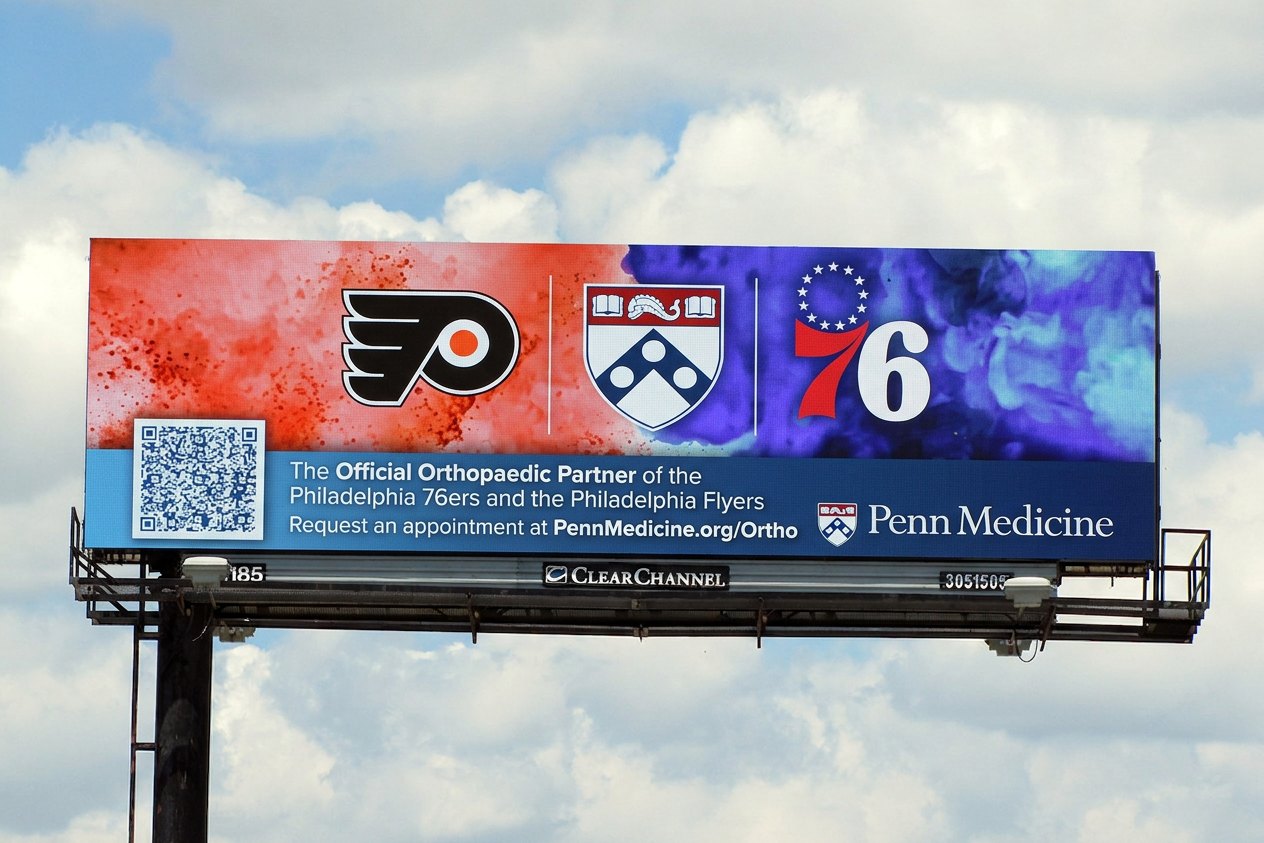
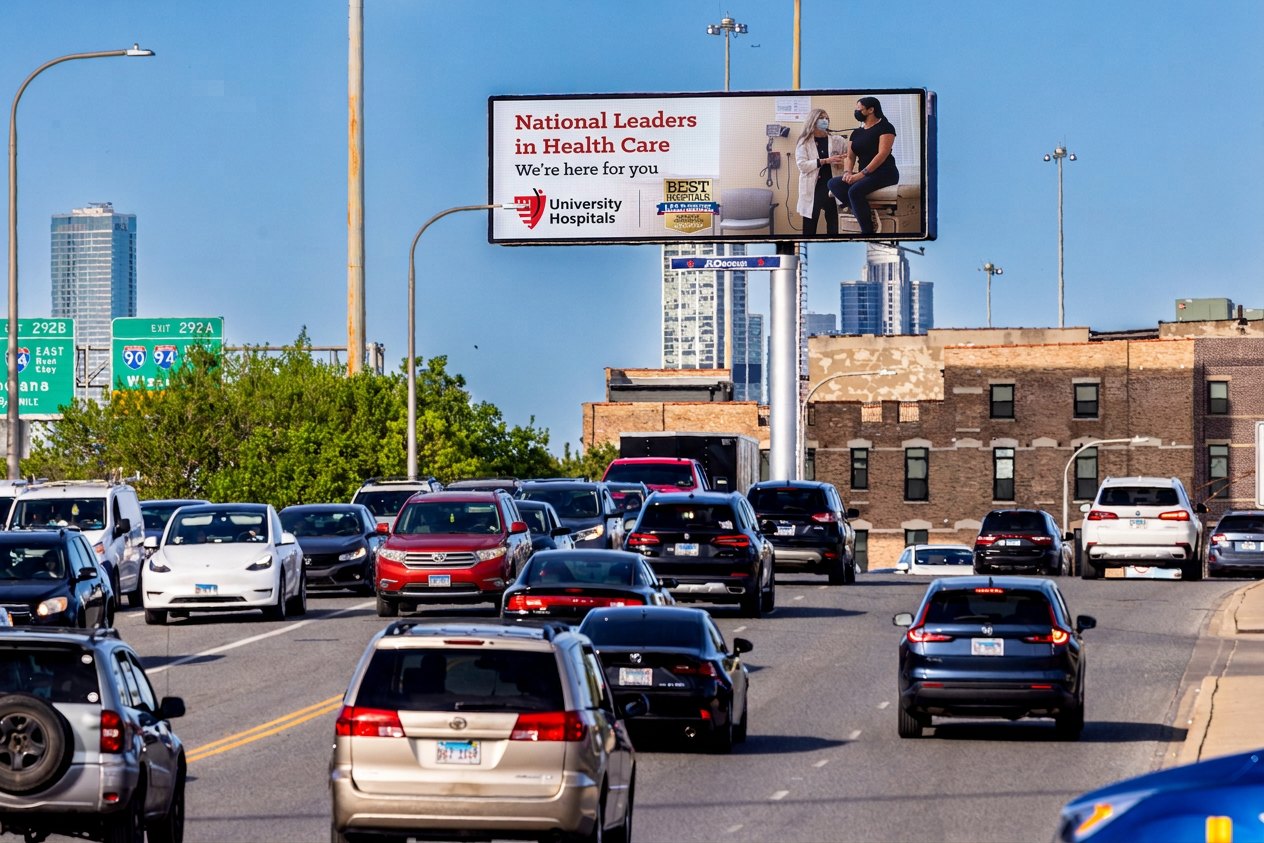
Illustrative mockups of real health-system creative on digital billboard inventory.
The argument
Why DOOH Works for Health Systems
No pixels, no portals, no patient data
The tracking pixels behind Meta and Google ads have leaked patient data across hundreds of health systems and cost the industry nine figures in HIPAA settlements. Digital out-of-home carries none of that risk. It targets by geography and venue — never an individual's IP, portal activity, or diagnosis — so a health system can advertise at scale without adding a single new privacy exposure.
Pipe today's wait time onto every screen
Programmatic DOOH takes a live data feed, so an ER or urgent-care wait time updates across billboards and panels in minutes. It's one of the most-used pieces of hospital creative for a reason: a real number, updated in real time, reaching patients on the way to care.
Geofence your campuses, then conquest theirs
Draw a geofence around your hospitals and clinics to reinforce reputation and proximity, then a second around competitor campuses with service-line and quality creative. Patients choose care on trust and distance — reach them exactly where both are being decided. See geofencing.
Reach the clinical talent you're fighting to hire
With a projected 10% national nurse shortage, recruitment is a marketing problem. DOOH reaches passive clinical candidates where job boards can't — the commute, the gym, the office park, and the blocks around competitor hospitals — with employer-brand and open-role creative that runs alongside your patient campaigns.
The privacy problem
The Channel That Doesn't Come With a Lawsuit
Plaintiffs identified patient data flowing to a single ad platform from 664+ hospital and provider web properties through tracking pixels — data including IP addresses, portal logins, and health conditions. The settlements have run into nine figures: Advocate Aurora at $12.25M, Inova at $3.1M, and more. [2][3]
Digital out-of-home is built the opposite way. There is no pixel on your website, no portal integration, and no individual profile. A campaign is targeted by where a screen physically sits — a service area, a competitor campus, a commuter corridor — and by the venue type. It reaches the whole market without collecting anything about the person who sees it.
For a health-system marketer, that means the reach of a mass channel without the tracking that turned digital healthcare advertising into a legal liability. Confirm specifics with your compliance counsel, but structurally, there is nothing here to leak.
Live inventory
What You Can Actually Buy Today
Real counts from live platform inventory, not estimates. Every venue below can be bought on its own, combined, or narrowed to one hospital's service area. [1]
| Venue type | Screens | Avail. impressions / mo | Where it fits the plan |
|---|---|---|---|
| Grocery | 149,597 | 36.5B | Families and caregivers, community-health and screening reminders |
| Gas Stations | 121,676 | 3.1B | Broad service-area reach and recruitment commute |
| Office Buildings | 76,552 | 9.2B | Physician and nurse recruitment, employer-wellness partners |
| Gyms | 37,130 | 8.8B | Health-conscious audience — orthopedics, cardiology, wellness |
| Urban Panels | 36,220 | 19.8B | Street-level panels downtown and around hospital campuses |
| Billboards | 17,761 | 26.5B | Service lines, real-time ER wait times, and new locations |
| Pharmacies | 14,883 | 760M | Patient and prescription mindset at the counter |
| Transit Shelters | 2,808 | 3.2B | Commuter corridors leading to the hospital |
| Total | 456,627 | ~107B | Nationwide, all markets |
Worked example
How We Find the Inventory Around Your Hospital
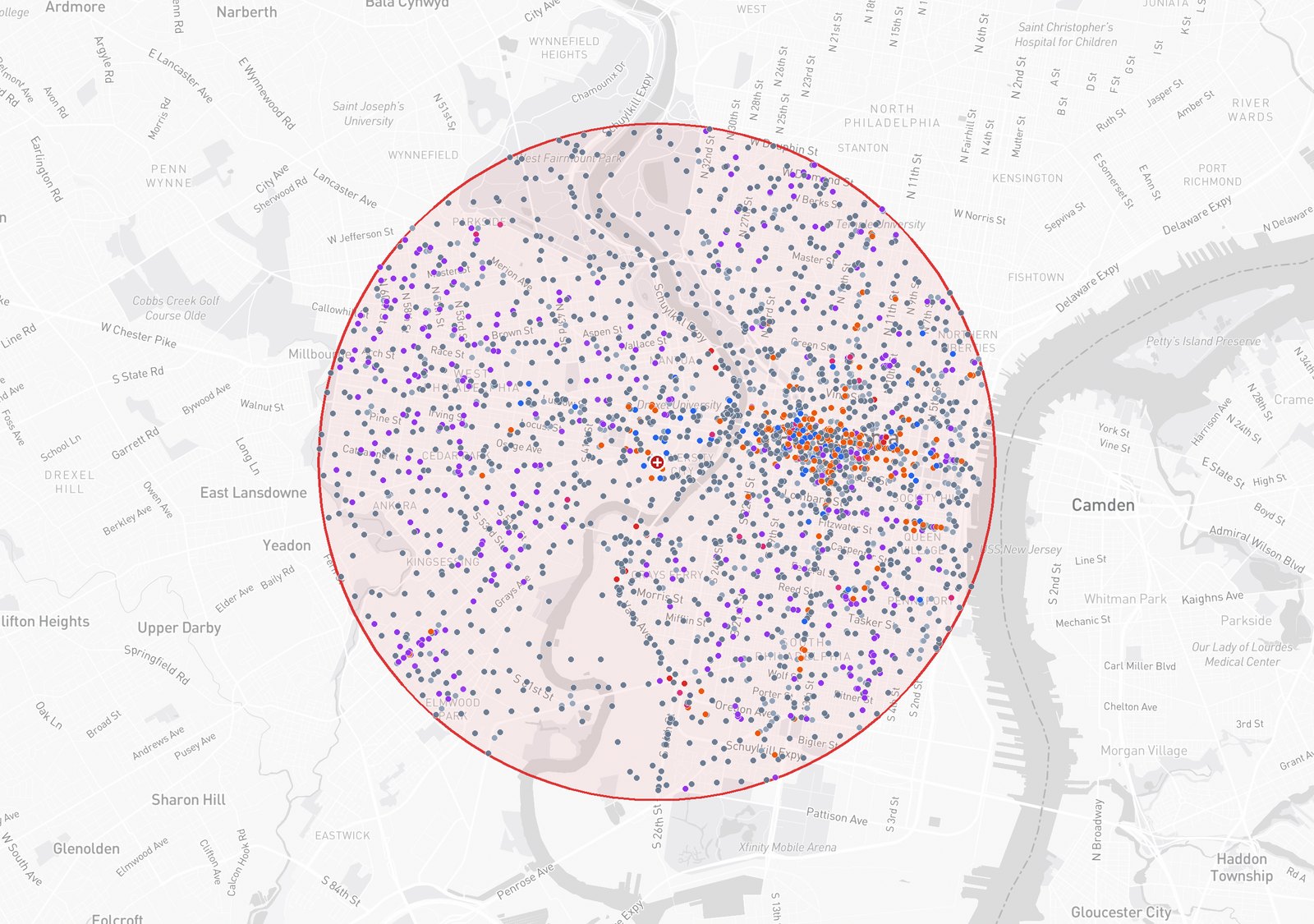
Give us a hospital address and we draw a geofence around it, then surface every available screen inside — by venue type, in minutes. Here's a real one: a 3-mile radius around Penn Medicine's Hospital of the University of Pennsylvania in Philadelphia turned up 5,431 screens. Every dot on the map is a real, bookable screen. [1]
| Venue type | Screens within 3 mi |
|---|---|
| Grocery, pharmacy & c-store | 721 |
| Office buildings | 229 |
| Panels & transit shelters | 511 |
| Billboards | 38 |
| Gyms | 41 |
| Transit & rideshare | 2,504 |
| Other venues | 1,387 |
| All venue types | 5,431 |
Live platform inventory within a 3-mile radius of Penn Medicine (HUP), July 2026. Dot colors on the map match the rows above. Any hospital address produces the same map and breakdown for its own service area. [1]
Six campaigns
Pick a Play. Ship It This Week.
Each is pre-mapped and ready to activate once the service area and creative arrive. Patient acquisition and recruitment can run on the same plan, geofenced to different targets.
A 6–8 week saturation flight around a new hospital, ER, urgent care, or clinic opening — billboards on the approach roads, pharmacy and grocery screens in the trade area, and a countdown that flips to now open on day one. Own the neighborhood before the doors open.
Concentrate a cardiology, orthopedics, oncology, maternity, or neuro campaign across the service area for a defined flight. Billboards and urban panels for reach, pharmacy and grocery screens for the in-market patient.
Live wait-time creative on billboards and roadside panels along the corridors that feed the ER and urgent-care network. Updated by feed, dayparted for the hours that matter.
Employer-brand and open-role creative geofenced to competitor campuses, nursing schools, gyms, and office parks. Reach the passive candidate the job board never shows you.
Flu shots, mammography, blood pressure, and wellness-visit reminders across grocery, pharmacy, and transit — where families and caregivers already are. Timed to seasonal windows.
Medicare Advantage and ACA open-enrollment pushes in the fall, physicals and back-to-school in late summer, flu in the winter. DOOH flips creative the same week the window opens.
Measurement
Proving It Filled Beds and Shifts
Facility-visit lift: device-ID exposure matched against visits to your campuses and clinics — exposed versus control households in the same service area.
Service-line and appointment lift: exposure matched to inquiry, scheduling, and volume for the specific service line in the campaign.
Recruitment lift: application and career-site volume from exposed versus control geographies during a recruitment flight.
Delivery: audited, screen-by-screen impression logs, read back by venue type, service area, and market rather than as one national number.
Pricing
One Publisher floor price plus a 15% Goldfish platform fee on the media CPM. That's the Whole Price.
Pricing is set in your proposal. Scale the budget up or down and it simply buys more or fewer impressions across the same service area — no tiers, no renegotiated rate when a single-service-area test becomes a system-wide build. Free AMAP audience data and white-labeled reporting included, and we handle creative approvals across thousands of screen owners.
Frequently asked
Hospital DOOH FAQ
Keep planning
Gas station DOOH
Broad reach and recruitment commute
Pharmacies
Patient and prescription mindset
Billboards
Service lines and real-time ER wait times
Geofencing
Service-area targeting and competitor conquesting
Recruitment & hiring
Physician and nurse recruitment
Case studies
Live campaign results across verticals
Sources
- Goldfish Ads platform inventory, July 2026 — available screens and monthly available impressions across pharmacies, grocery, gyms, billboards, office buildings, urban panels, and transit shelters, United States.
- HIPAA Journal, Meta Sued Over the Scraping of Patient Data From Hospital Websites — patient data identified flowing from 664+ hospital and provider web properties via tracking pixels.
- Healthcare Dive / public settlement records — tracking-pixel privacy settlements including Advocate Aurora ($12.25M, 2024) and Inova Health Care Services ($3.1M).
- HRSA National Center for Health Workforce Analysis, Nursing Workforce Projections — projected 10% registered-nurse shortage in 2027.
Ready to own your service area?
Send the service area and the flight window — we return a costed plan inside a business day. HIPAA-safe by design, publisher floor price plus a 15% Goldfish platform fee on the media CPM, audience data included.
Contact Us Now