Who this is for
You don't need a new brain. You need a new canvas.
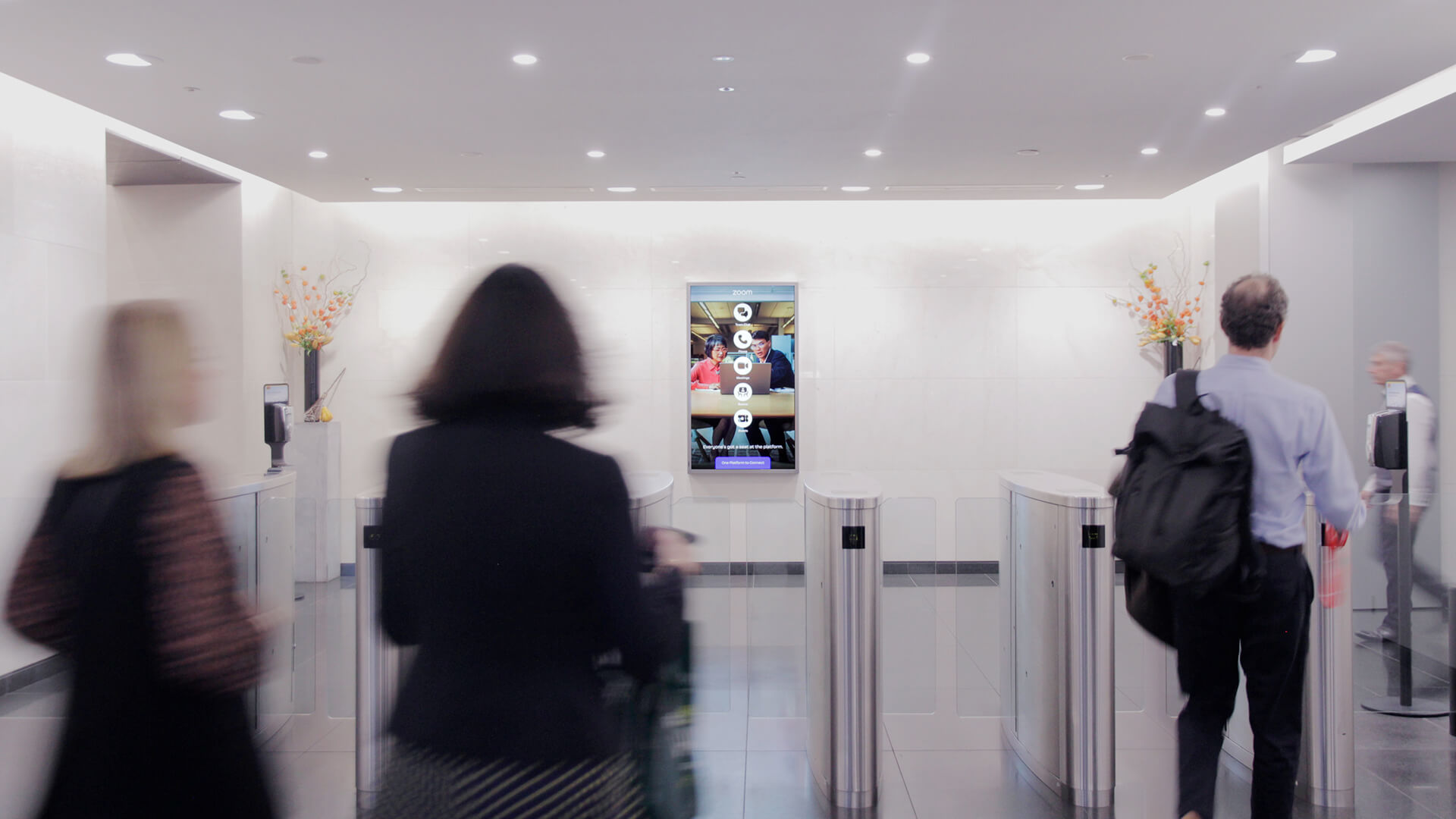
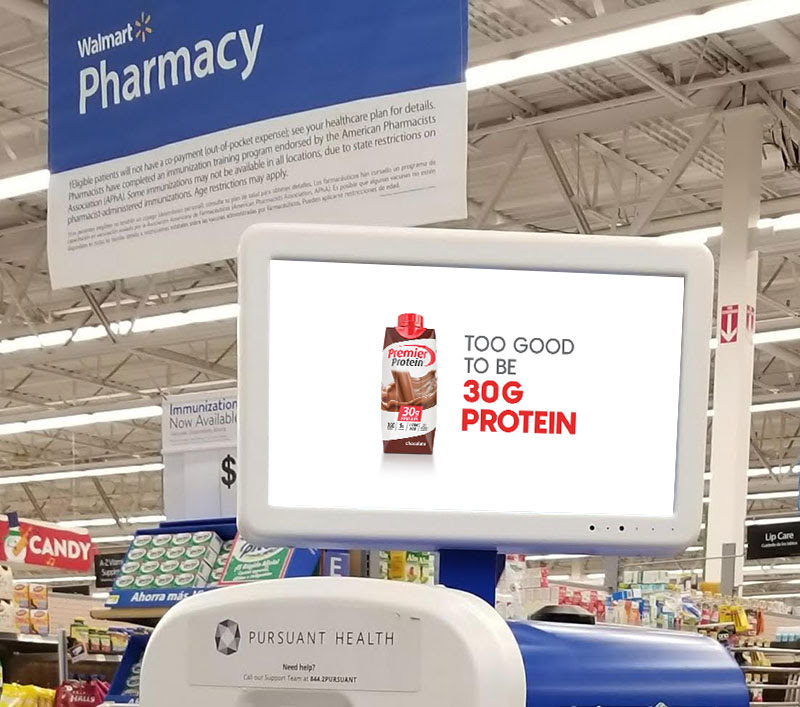
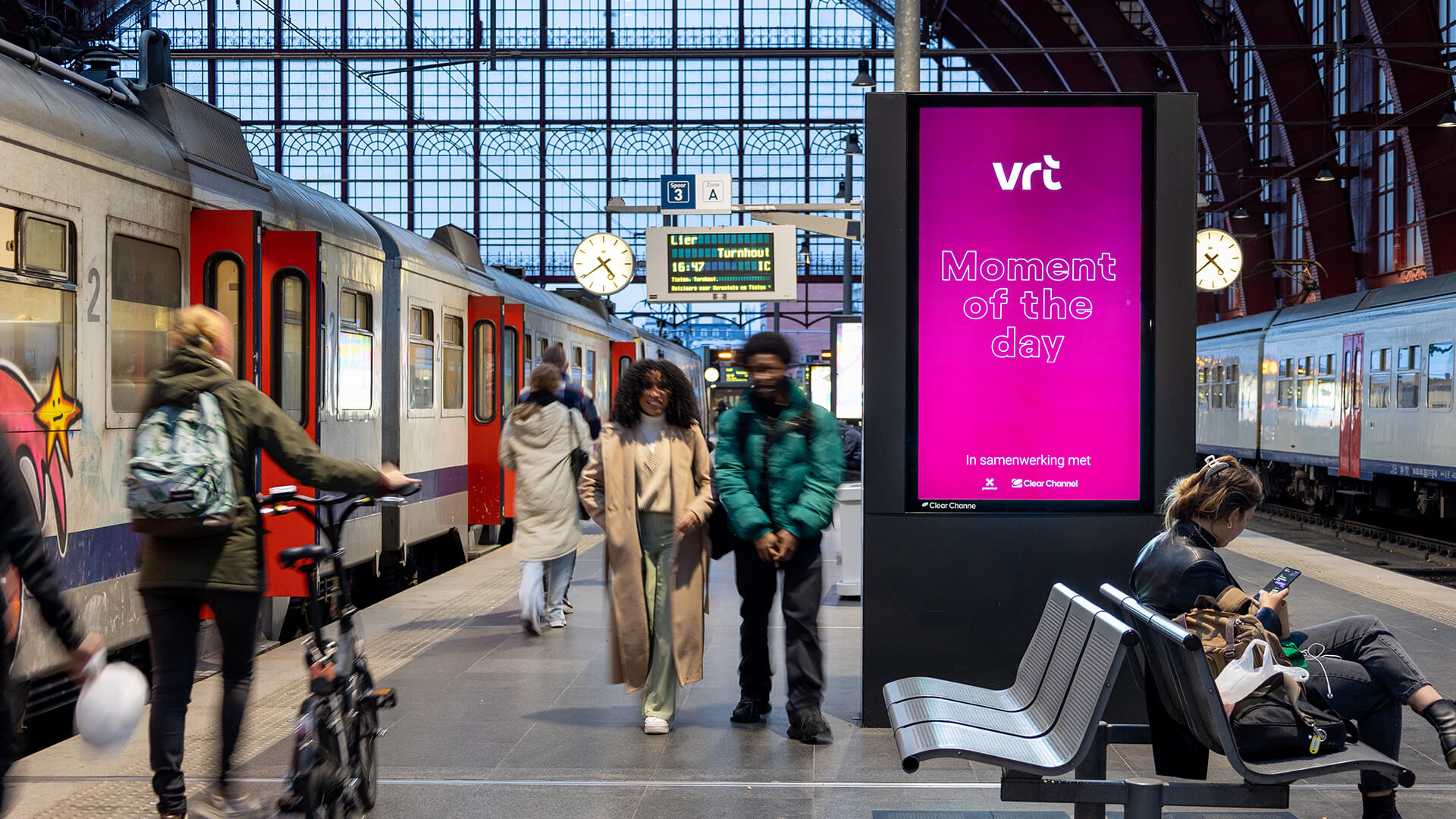
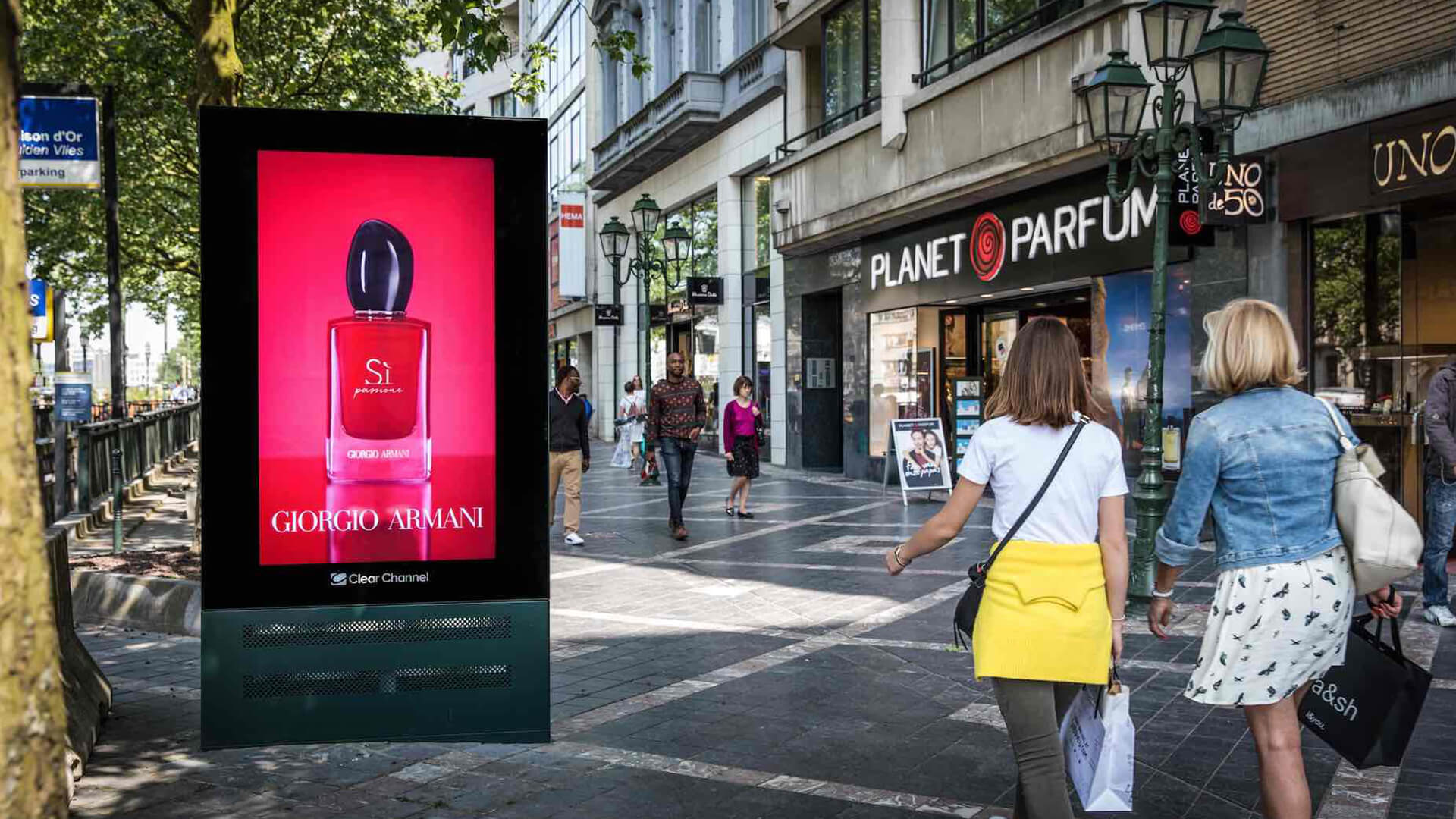
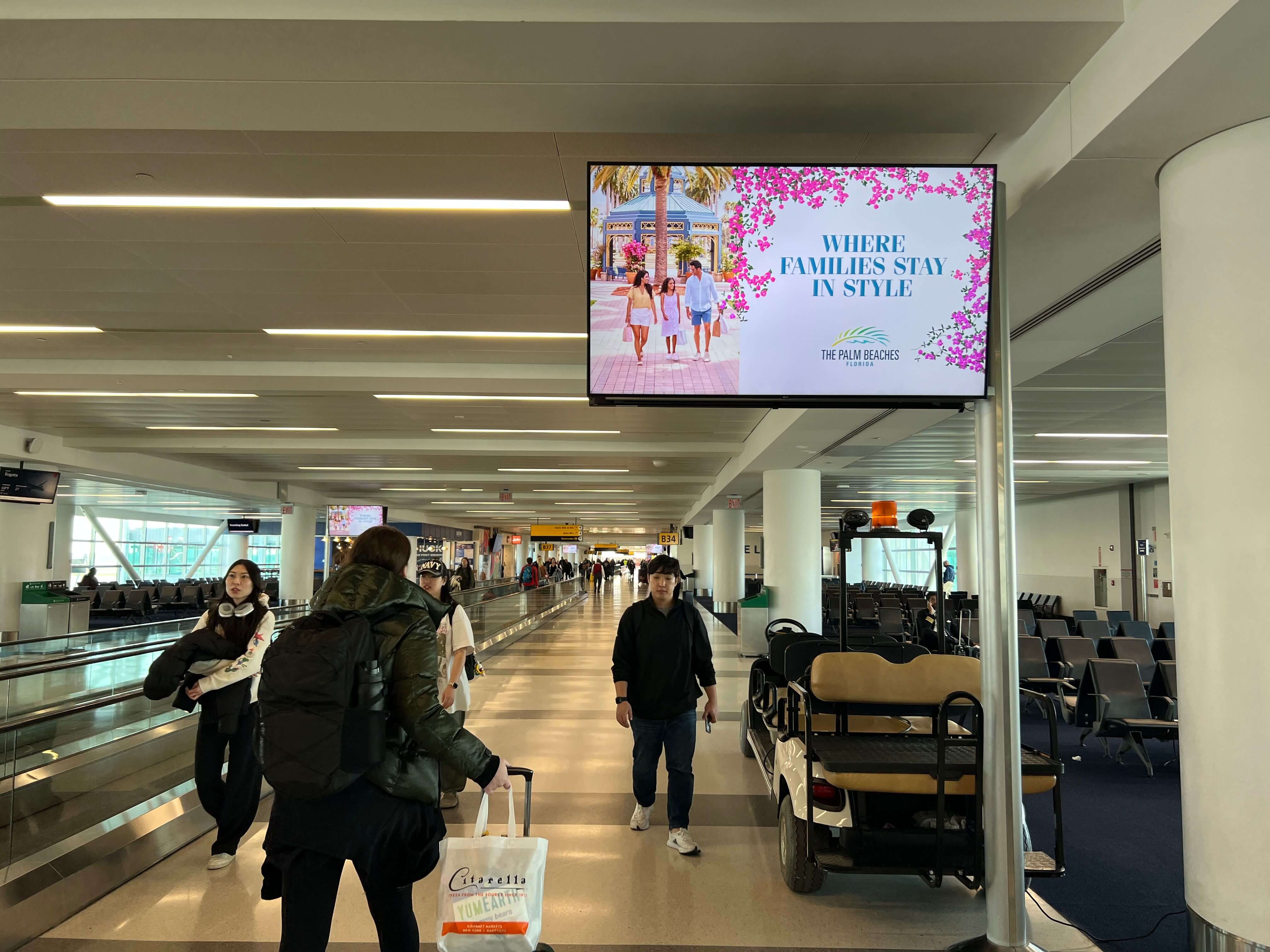
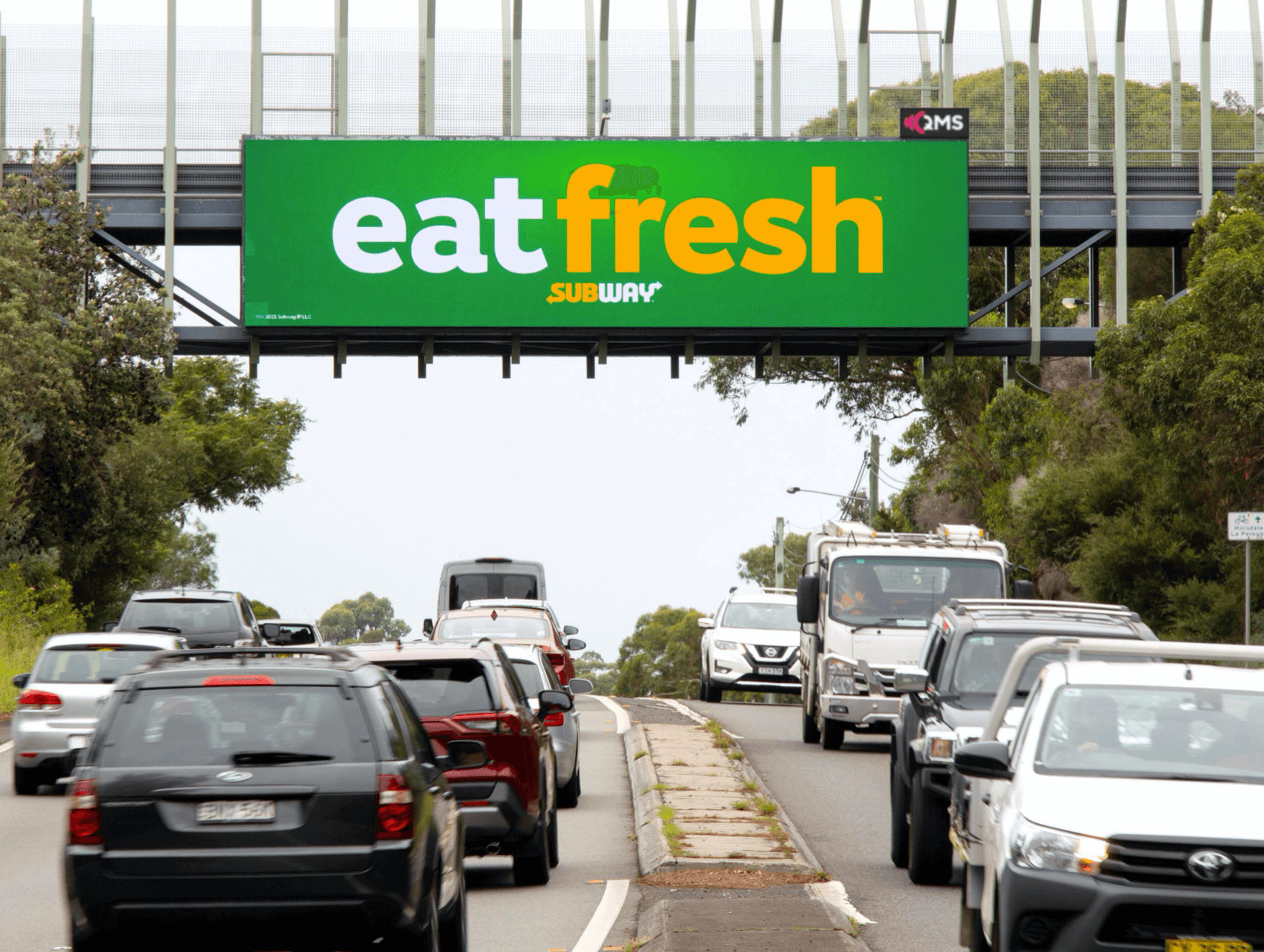
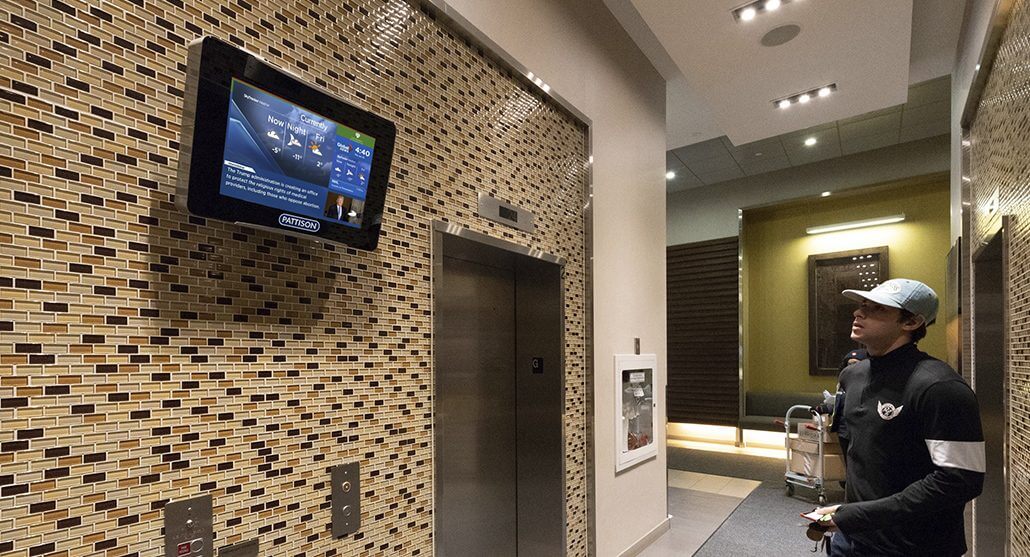
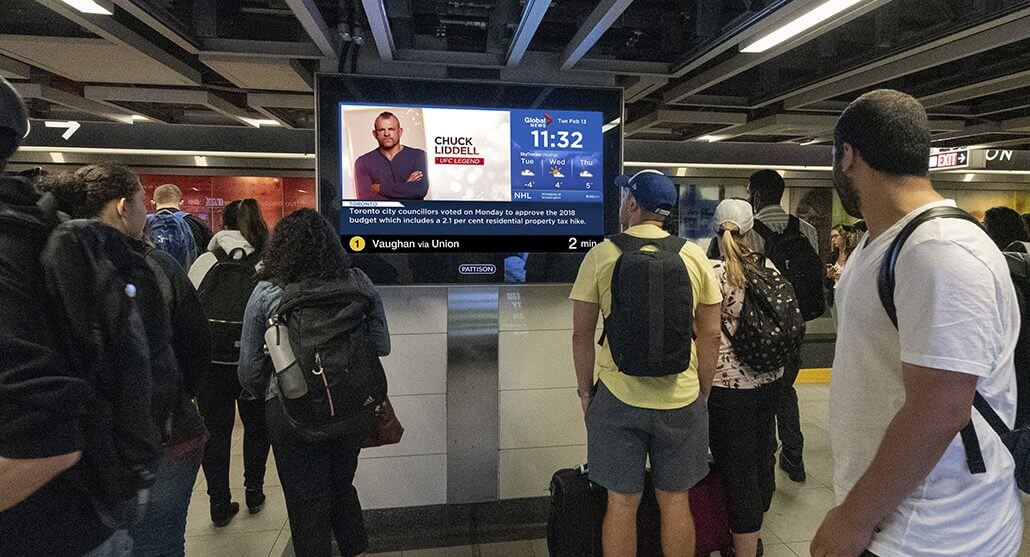
The buying motion is the same one you run every day: a demand-side platform, audience targeting, deal types, frequency, creative, and measurement. What changes is where the ad ends up. Instead of a phone or a TV, it runs on connected screens out in the real world — billboards, transit, gym and elevator screens, mall and grocery displays, the screen behind the bar.
This guide translates digital out-of-home into the language you already speak, walks through how to plan and run your first campaign, and shows where it tends to win. Read it once and you'll be able to brief a DOOH campaign with confidence. That's it. That's the promise.
DOOH in a minute
The whole channel, on one page.
Out-of-home is advertising in public space. The "digital" part means the screen is internet-connected, so the content can change by time of day, location, weather, or auction — in close to real time. That connection is what turns a static billboard into something you can buy programmatically, target by audience, swap creative on, and measure.
The single most important thing to understand: DOOH is a one-to-many medium. One ad play is seen by a crowd, not by one person. A subway screen during rush hour can be seen by hundreds in a single loop. Everything else about how DOOH is counted, priced, and measured flows from that one fact.
The good news: because DOOH never relied on cookies or device-level tracking, it sidesteps most of the privacy and signal-loss headaches eating into the rest of your media plan. It is privacy-durable by design.
The five mental shifts
From digital to DOOH, in five moves.
These are the only conceptual adjustments you really need to make. Get these and the rest is just execution.
One-to-many, not one-to-one.
You're reaching the crowd in front of a screen, not the single user behind a device. That single fact is why DOOH impressions carry a multiplier, and why the medium is built for reach and impact rather than 1:1 retargeting.
Modeled audiences, not tracked individuals.
Instead of following a cookie, DOOH uses aggregated, anonymized mobility data to surface the screens that over-index for the people you want — new parents, frequent travelers, soft-drink buyers. Probabilistic, not deterministic. No PII, no cookies, no fragility.
No click — judge it on lift, not last touch.
Nobody clicks a billboard. DOOH builds attention, recall, and consideration at scale and nudges people toward an action. You measure that with brand lift, foot-traffic lift, online-conversion studies, and sales lift. Hold it to a last-click ROAS standard and you'll mis-judge a perfectly good campaign.
Impressions come with a multiplier.
In display, one serve is roughly one person. In DOOH, each play is multiplied by the average number of people in the screen's viewing zone at that moment — derived from foot and road traffic plus dwell time. So 1,000 plays on a busy subway platform can equal many thousands of impressions. Always ask how the multiplier is calculated.
It amplifies the rest of your plan.
DOOH can't be skipped, blocked, or faked by a bot — and people exposed to it can be passed back and retargeted on social, search, and CTV. Think of it as the broadcast layer that makes the rest of the funnel work harder, not a silo.
The plumbing you already know
Same stack. Bigger canvas.
The programmatic stack maps almost one-to-one to what you use now. The DSP is still your command center: you plan, target, bid, set budgets and frequency, and report from there. DOOH is increasingly buyable inside the same omnichannel DSPs you already use, alongside specialist OOH DSPs. On the seller's side, the same SSP-and-exchange plumbing connects screen owners' inventory to your bids.
The real shift in practice: instead of a sales rep selling a marquee screen for a three-month flight, you can buy the right screens, in the right place, for the right audience, starting in hours — and turn it off just as fast.
The four deal types — same names you already use
Real-time bidding for impressions as audiences move past screens. The most flexible structure and usually the most efficient for raw reach.
How you target
More levers than most people expect.
Layer them the way you'd layer audience, contextual, and geo in display.
Venue type
The environment the screen sits in — roadside, transit, bus shelter, urban panel, mall, grocery, convenience, pharmacy, gym, office or elevator, bar or restaurant, cinema. Think of it like an inventory category or site list. Indoor venues usually mean captive audiences and longer dwell time.
Geography & proximity (POI)
Target down to a radius around specific points of interest: your own store locations, competitor locations, stadiums, transit hubs, campuses, offices, event venues. Conquesting near a competitor or intercepting people en route is the classic, effective play.
Media-owner / network targeting
Prioritize or exclude specific screen networks, just like preferred publishers.
Dayparting
Same idea as in digital. Pair the message to the moment — coffee in the morning, happy hour at 5pm.
Audience segments
Pre-built demographic and behavioral segments — new parents, pet owners, moviegoers, frequent travelers, soft-drink buyers — built from aggregated mobility and third-party data. You can also build custom segments by layering datasets, geographies, and POIs.
Your first-party data
Onboard your CRM or audience the same way you would elsewhere to find the screens your customers (or look-alikes) actually pass.
Retargeting / device-ID passback
The one digital buyers love. Audiences exposed to your DOOH can be passed back and retargeted on social, display, CTV, and audio to reinforce the message and carry people down-funnel. DOOH becomes the top of an omnichannel sequence.
Cookieless by design
DOOH doesn't track an individual; it broadcasts to a measured crowd. Audience signals are built on aggregated, privacy-compliant mobility data at the Census Block Group level. No PII, no third-party cookies.
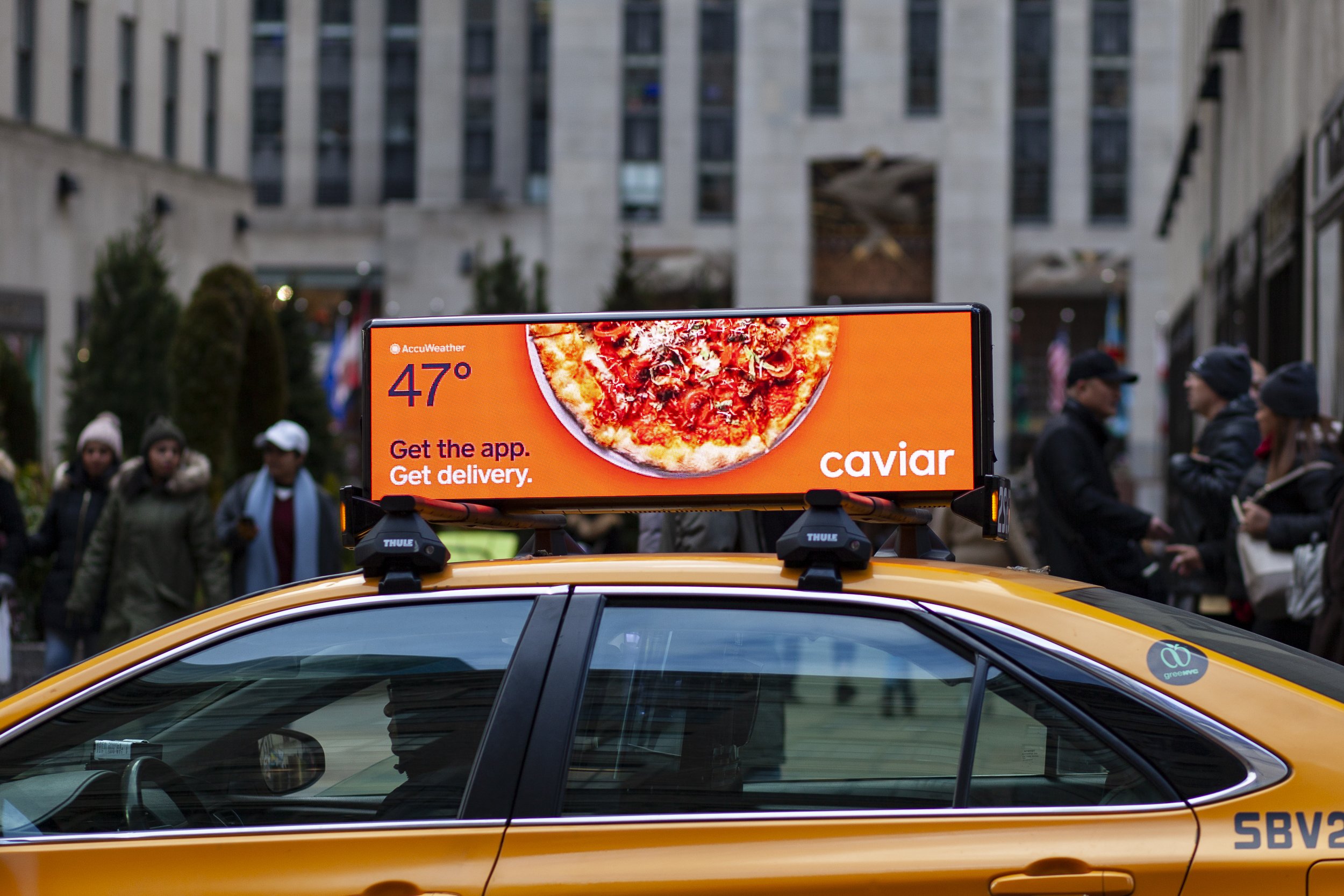
Taxi Rideshare Top
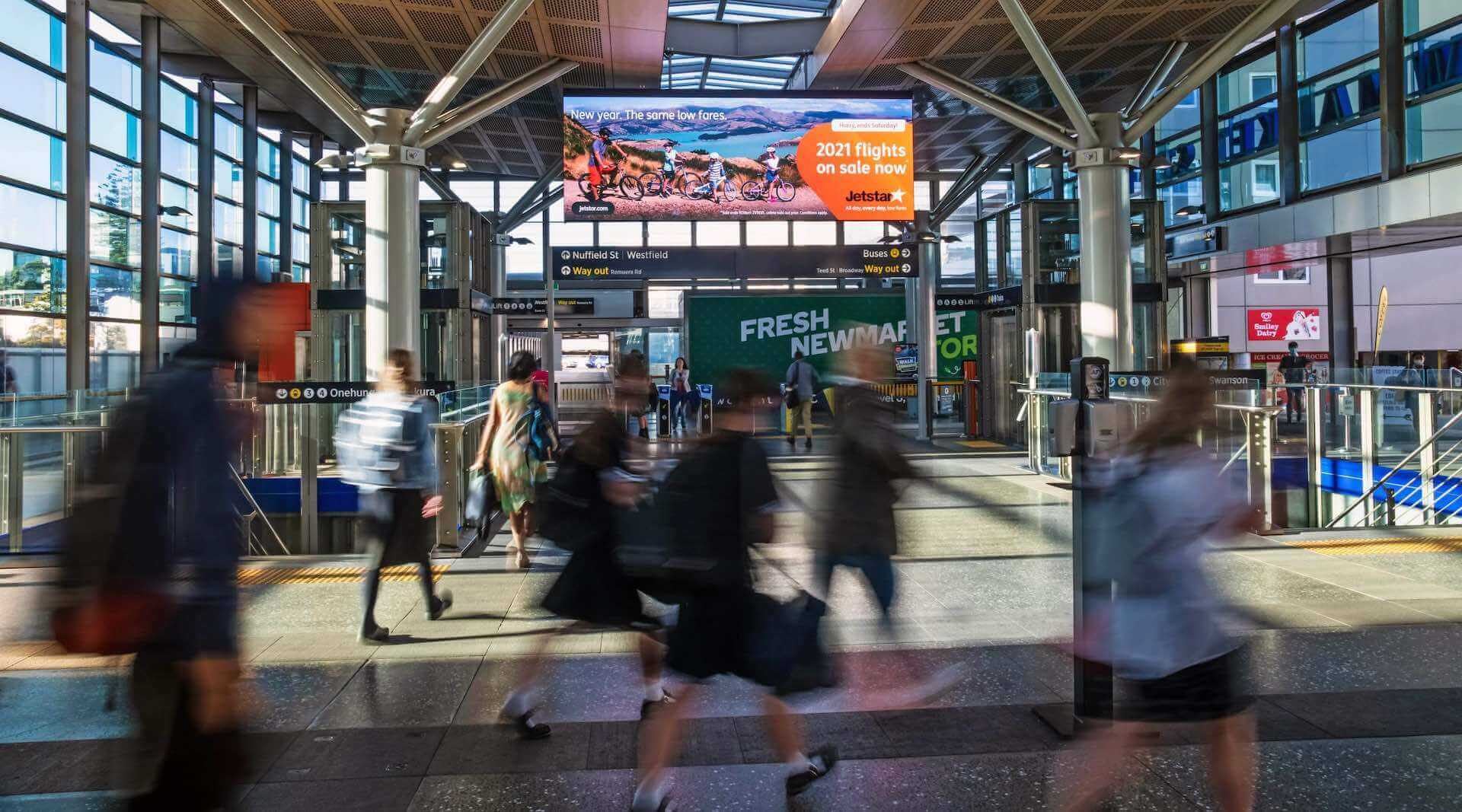
Train Stations
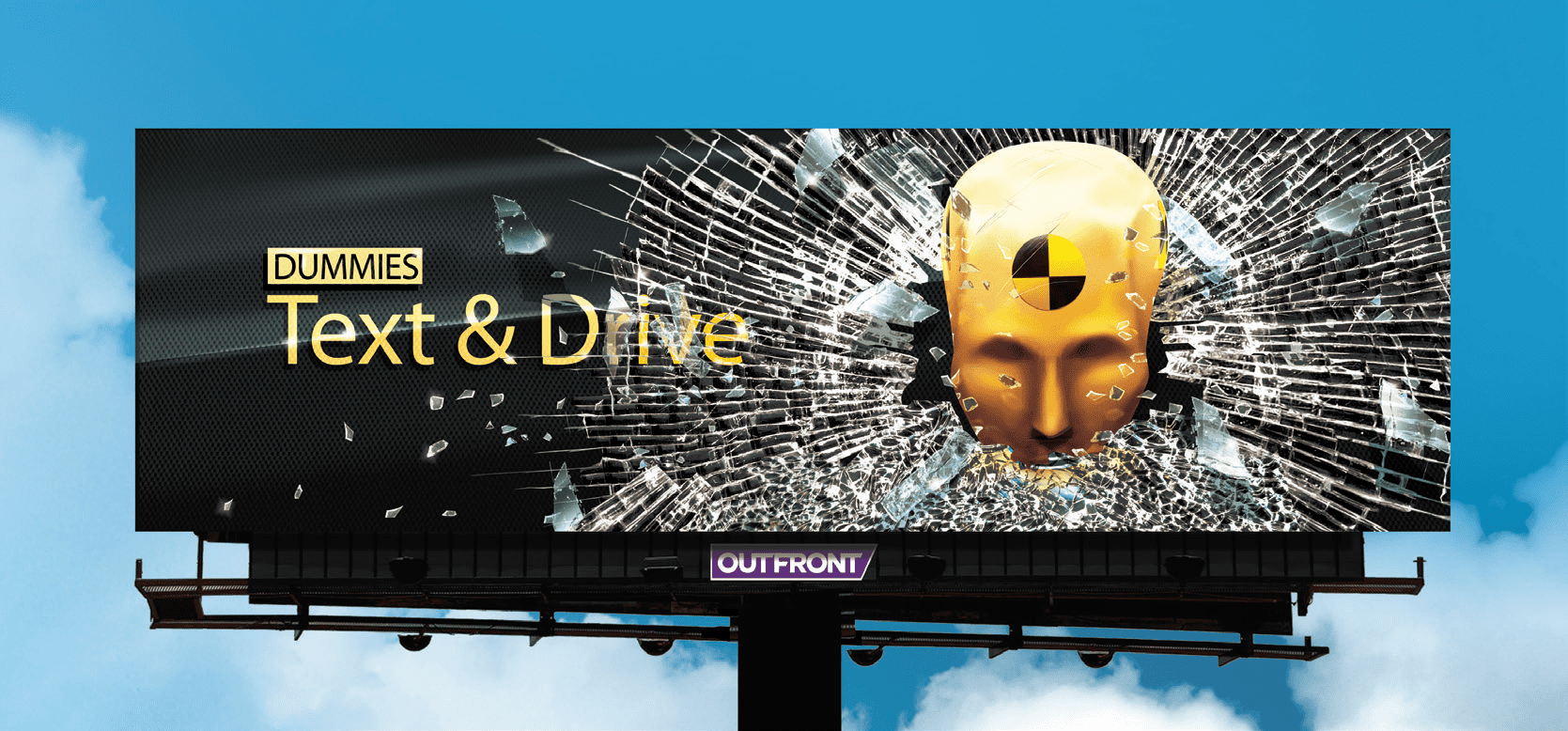
Billboards
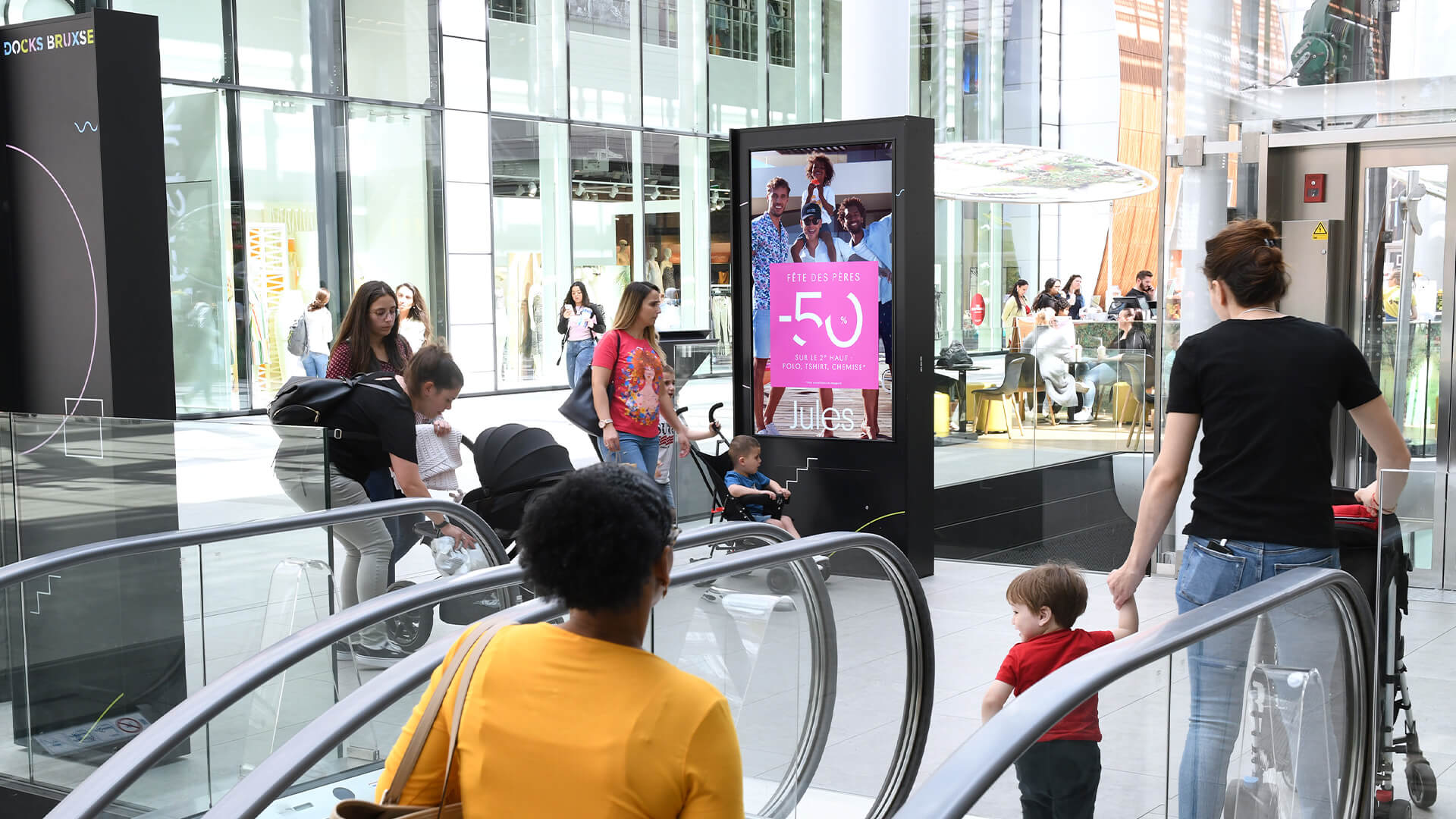
Malls
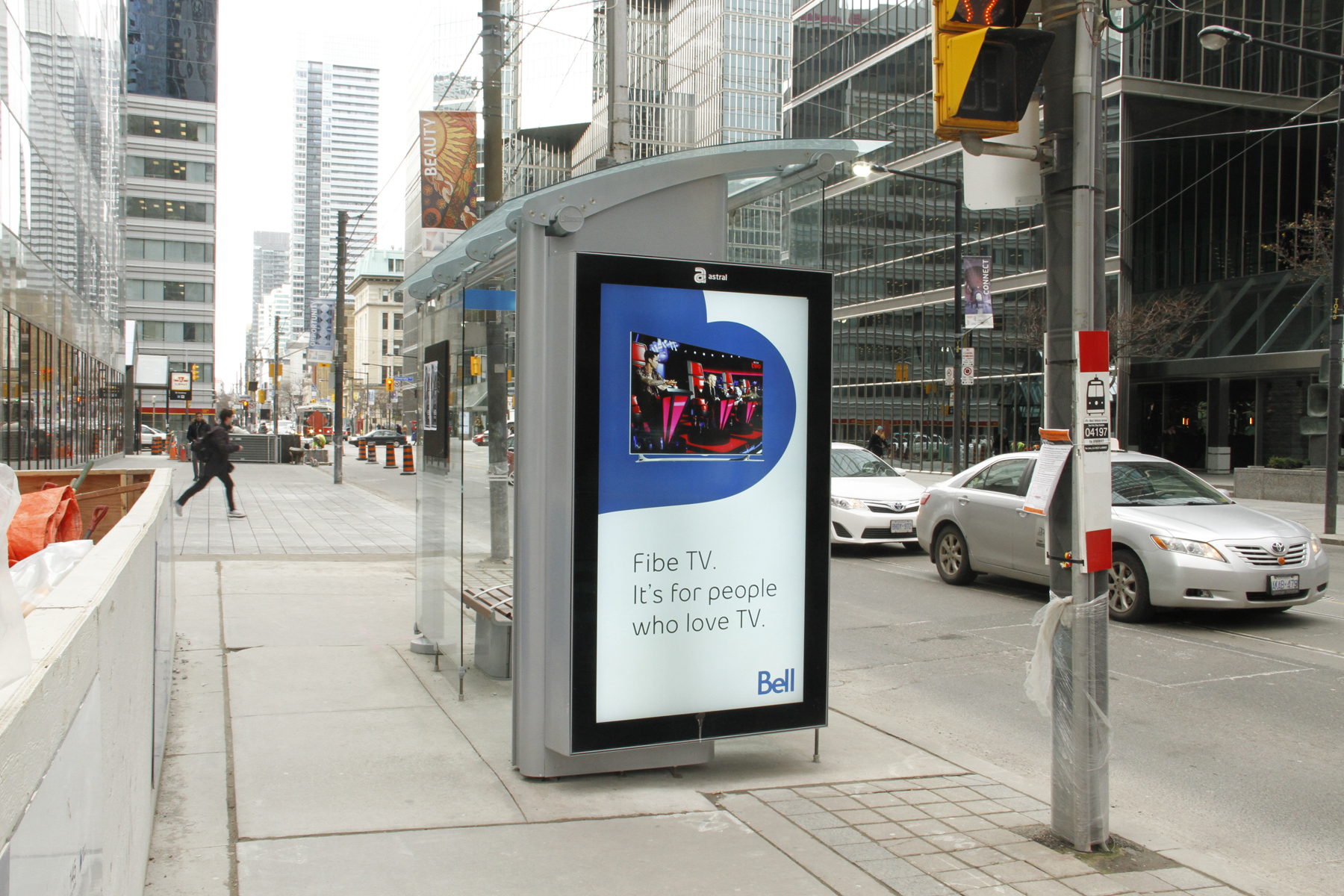
Bus Shelters
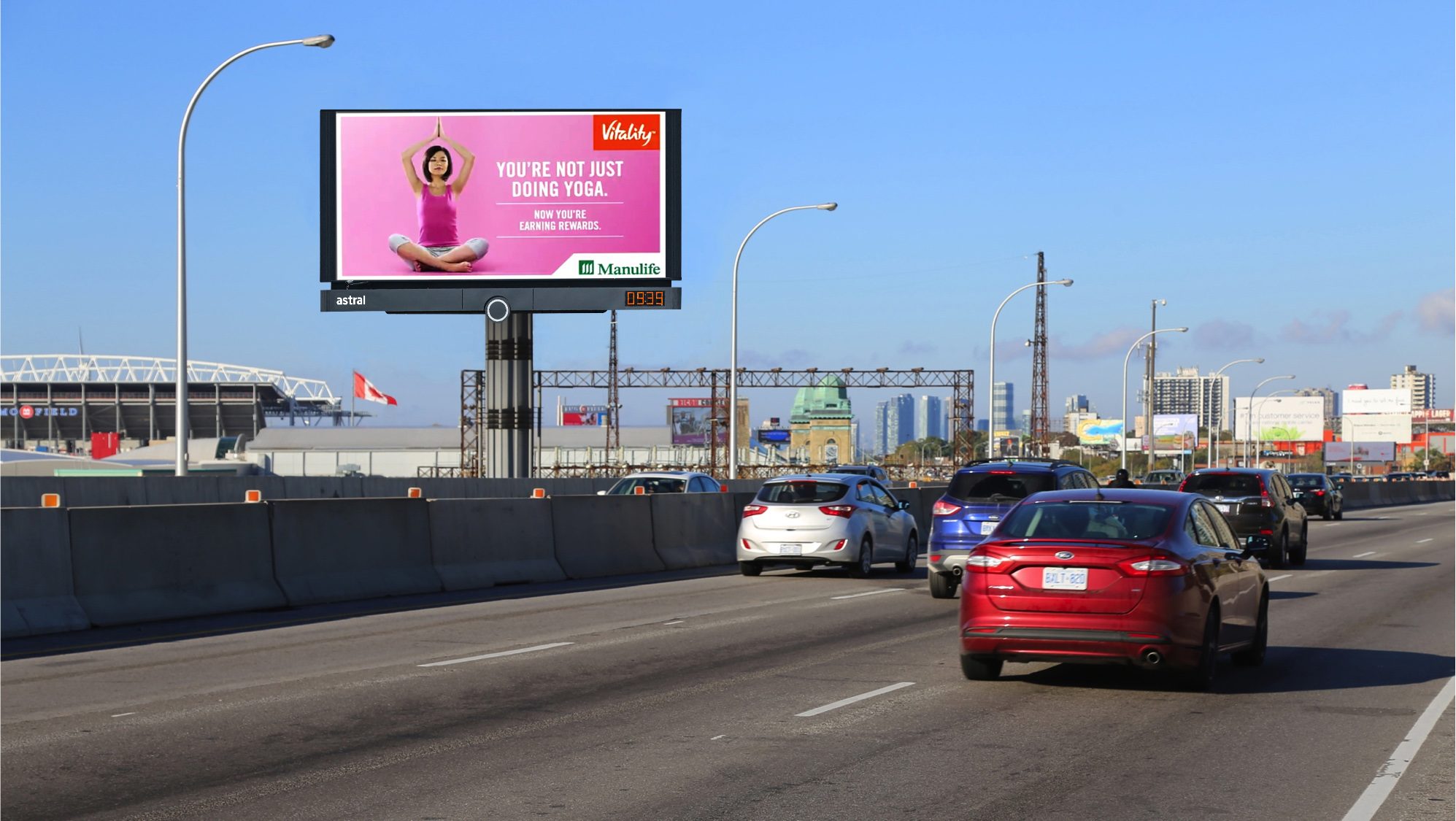
Billboards
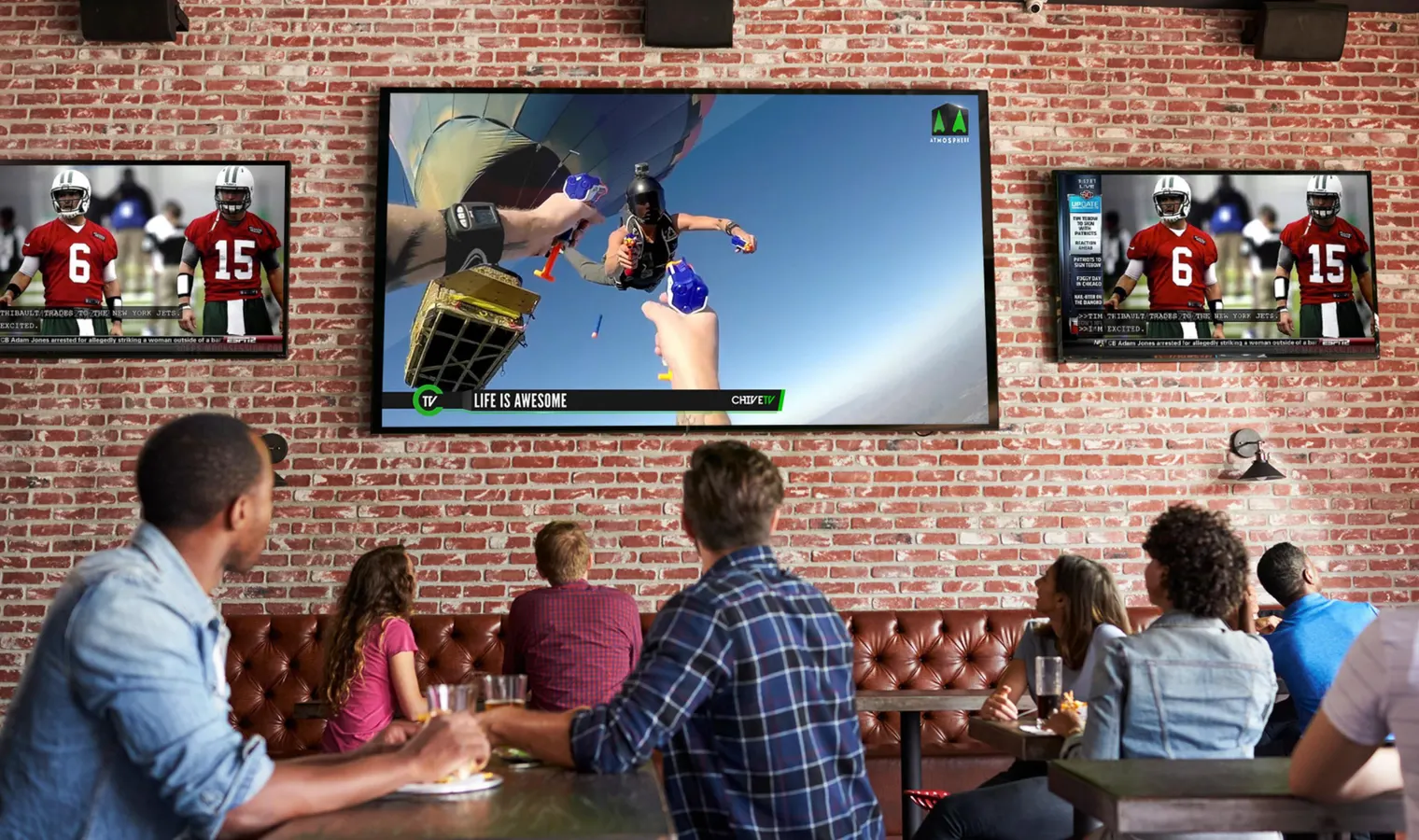
Casual Dining
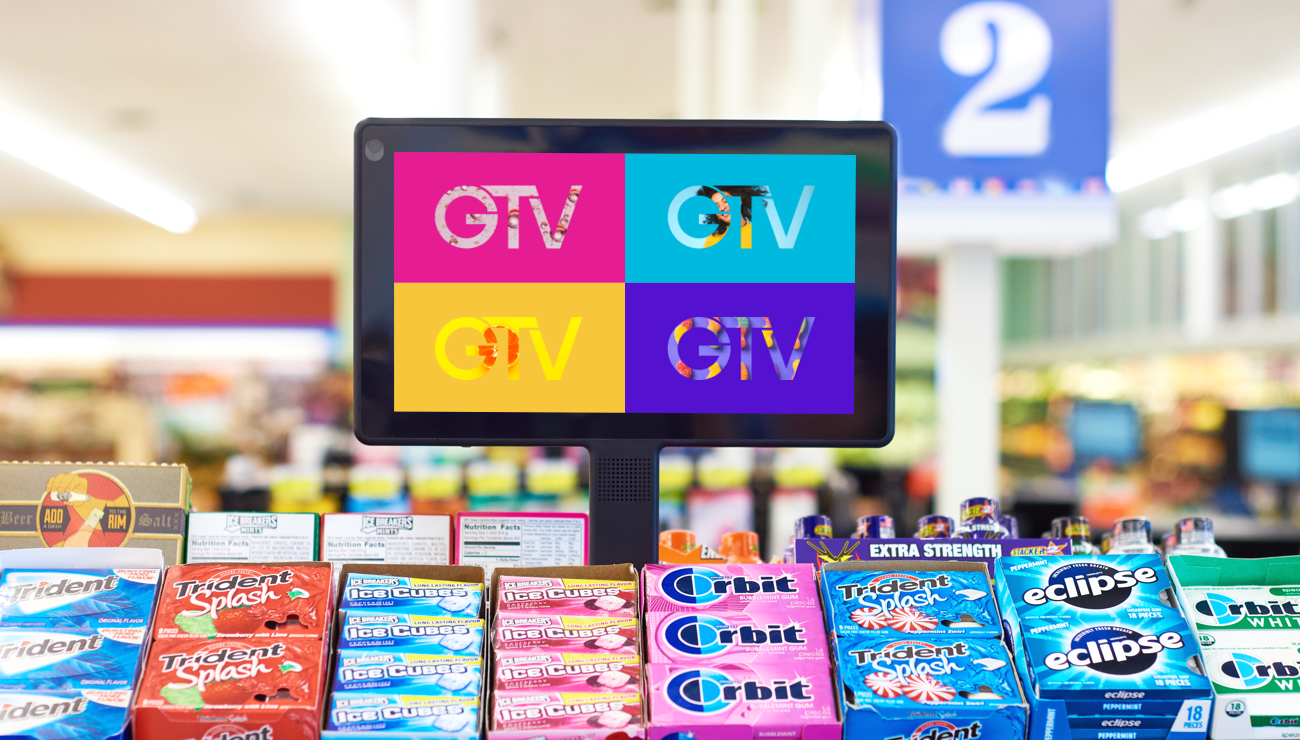
Grocery
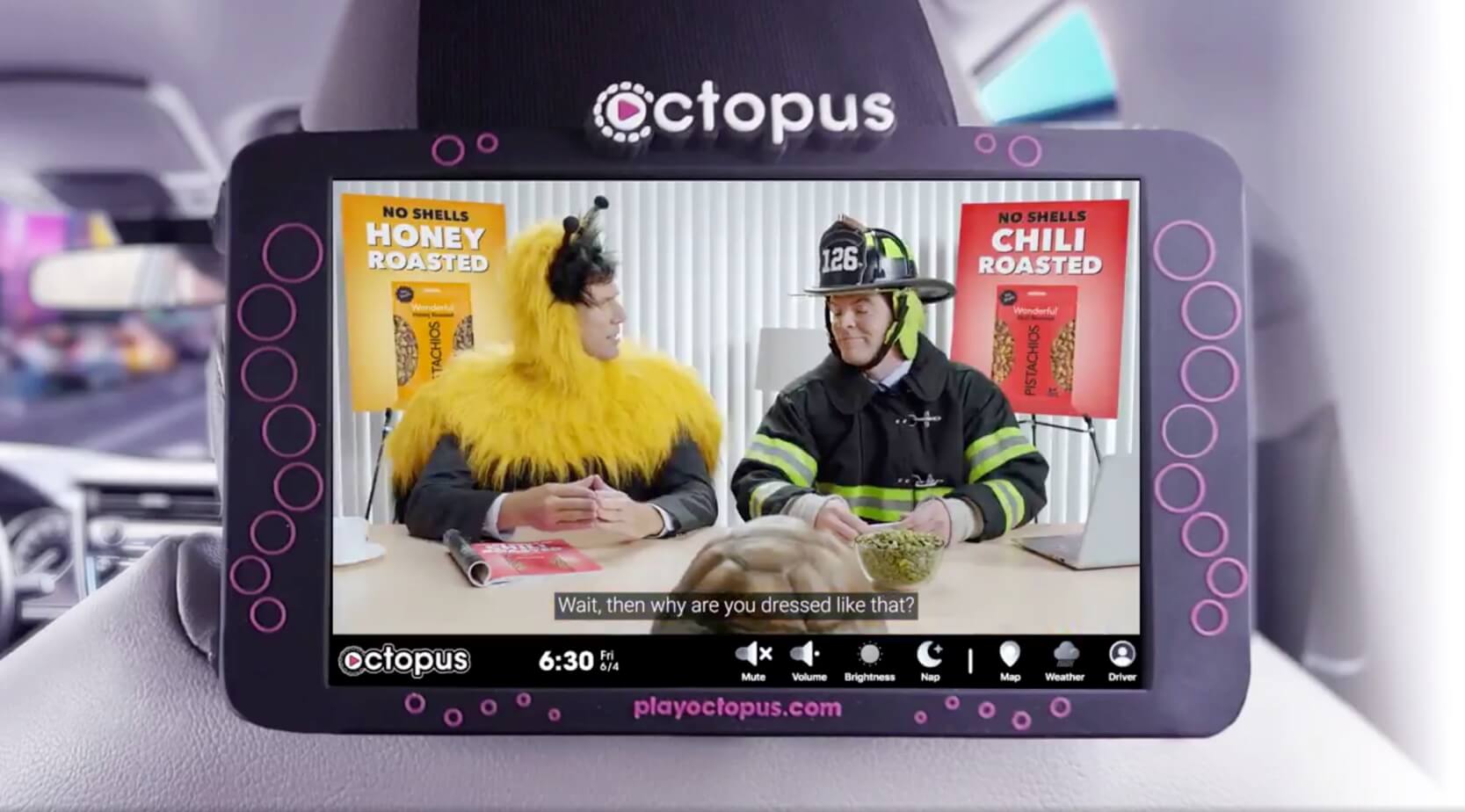
Taxi Rideshare Tv
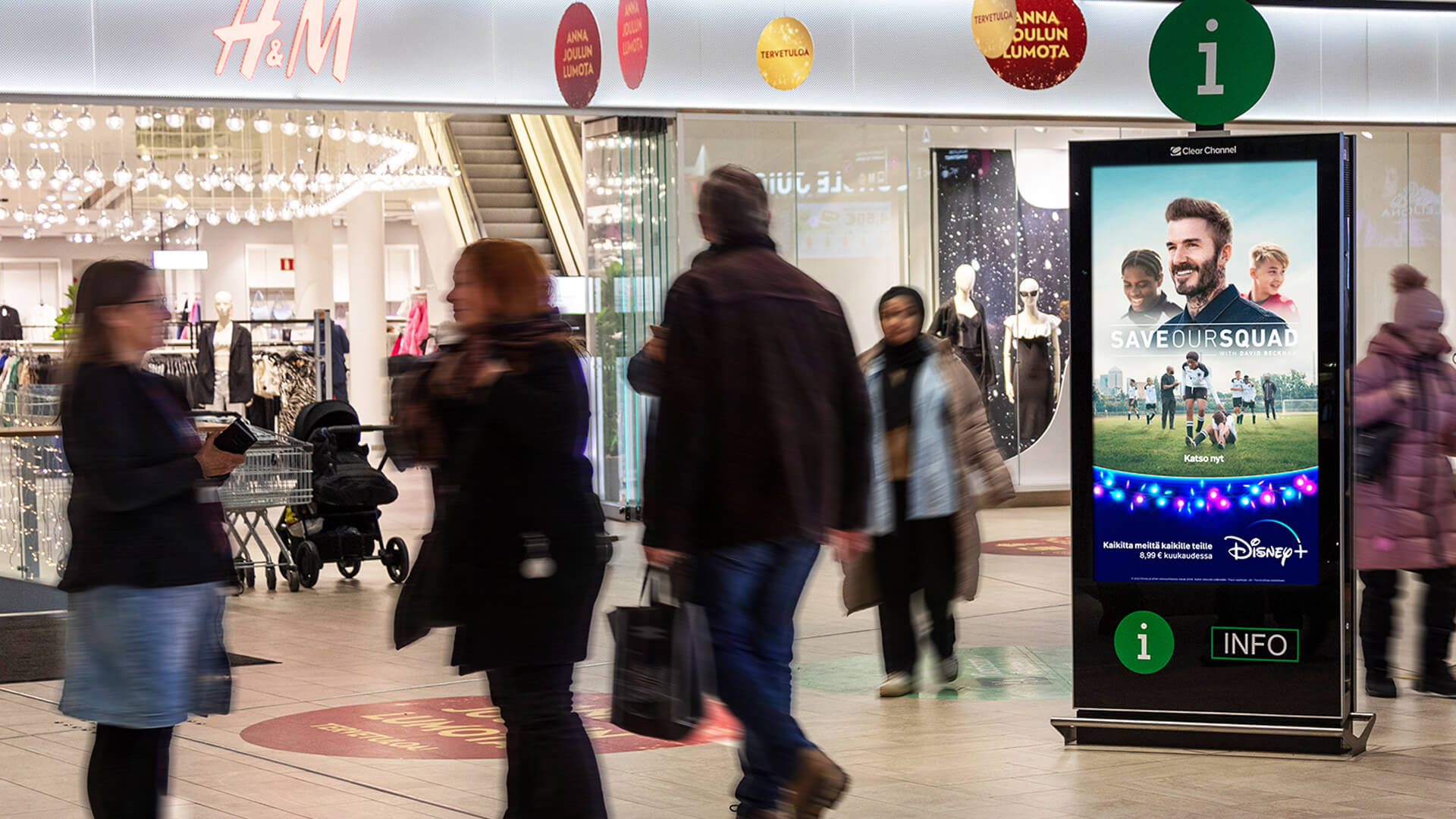
Malls
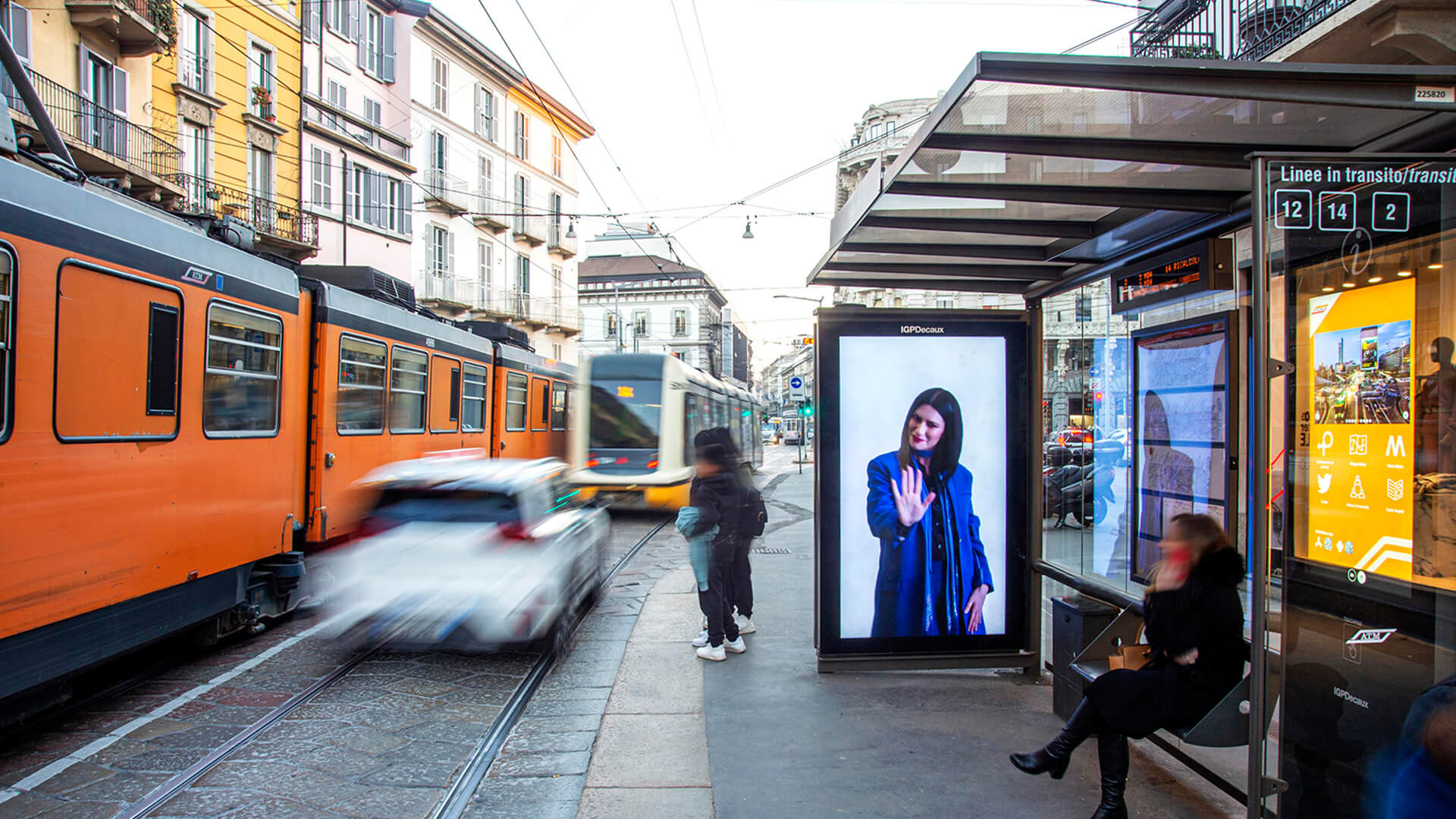
Urban Panels
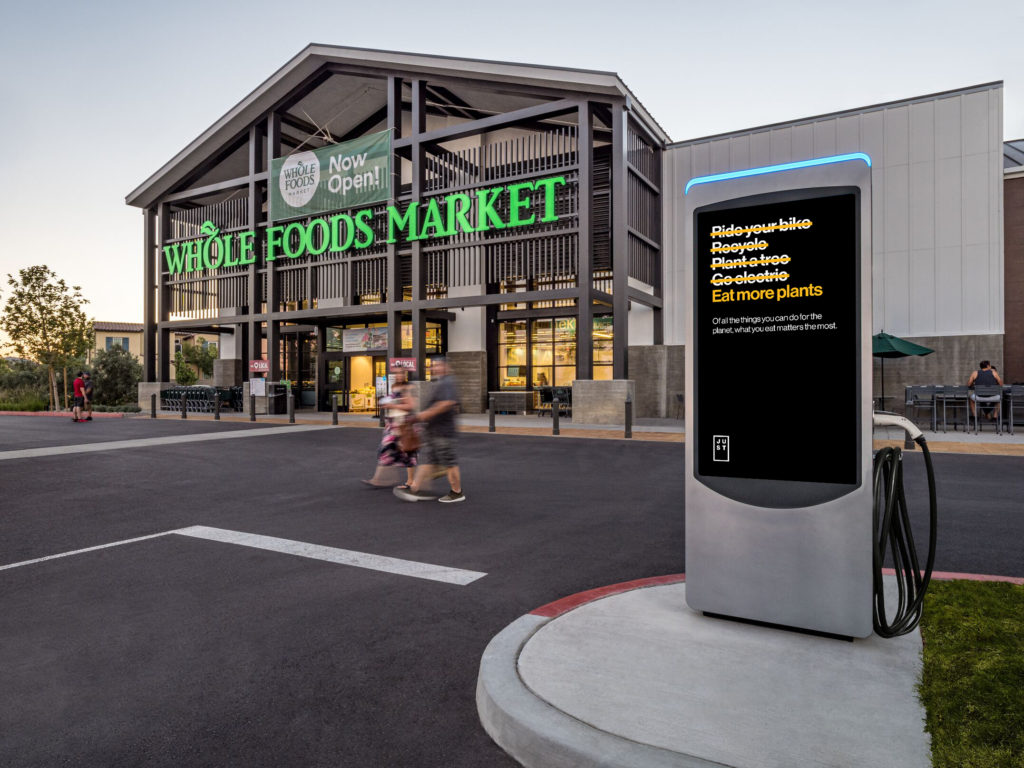
Urban Panels
The creative rules that actually matter
DOOH creative fails for predictable reasons.
Almost always too much copy, or too little contrast. The fixes are simple.
How you prove it worked
Far more measurable than the billboard reputation suggests.
Match the method to the goal. Pick the KPI before you pick the inventory.
Reach and impressions
Modeled from real-world traffic and dwell data; your baseline delivery metric. Look for impressions verified by independent audience measurement and Proof of Play — confirmation that the ad actually ran, where and when claimed.
Brand lift studies
Survey an exposed group versus an unexposed control to measure lift in awareness, recall, favorability, and purchase intent. Best for launches, seasonal pushes, and rebrands at the top of the funnel.
Foot-traffic / store-visit lift
Match anonymized device IDs exposed near your screens against later visits to your locations, versus a control. The workhorse metric for retail, QSR, auto, and finance.
Online-conversion studies
Tie DOOH exposure to web visits, app downloads, and in-app actions. This is how DOOH now plugs into lower-funnel and DR reporting.
Sales-lift studies
For CPG, retail, and auto: connect exposure to actual sales movement, often via purchase panels in a privacy-safe data clean room.
Incrementality & MMM
The most rigorous reads on true, cookieless contribution. Increasingly the bar for senior-team sign-off.
Retargeting performance
Because exposed audiences pass back to your other channels, you can watch how DOOH-exposed users perform downstream.
What to ask any partner before you trust the numbers
How are impressions modeled, and are they independently verified? Is there Proof of Play and third-party auditing? What's the data source behind the multiplier? For attribution: what's the control group, what's the match rate, and is it run in a clean room?
A few reference points from documented campaigns: one QSR chain's foot-traffic study found roughly a 13% lift and about 2.4 million incremental visits from a DOOH campaign. Another QSR drove a +111% lift in store visitation. An analysis of 1,300 campaigns found DOOH prompted recall at about 2.2x the rate of traditional billboards. Roughly three-quarters of consumers report taking a mobile action after seeing a digital OOH ad. The point isn't the exact figures — it's that the channel produces measurable, attributable outcomes when you set it up properly.
Where DOOH wins
Pick the play that matches the goal.
By goal
Launch something
Products, models, content, store openings. Big screens create buzz fast and give the rest of the launch plan something to point at.
Drive foot traffic
Proximity-target your locations (or a competitor's) and pair the buy with a time-bound offer.
Geo-conquest
Intercept a competitor's customers near their locations or on the route there. A classic, effective play.
Amplify the funnel
Run DOOH for reach and attention, then retarget the exposed audience on social, CTV, and search.
Reach privacy-sensitive categories
Finance, pharma, legal: DOOH targets without cookies or PII, which keeps compliance teams calm and reach intact.
Own a moment
React to weather, sports, culture, or a local event with dynamic creative in real time.
By vertical
QSR & restaurants
Proximity targeting, dayparted menus, rewards and app pushes, foot-traffic lift.
Retail & e-commerce
Path-to-purchase awareness paired with online-conversion measurement; in-store and near-store screens.
Automotive
Model launches, dealership proximity, demographic-rich venues with longer dwell.
Financial services & insurance
Demographic and affluent venue targeting; the cookieless posture is a real plus.
Entertainment & streaming
Launching titles, events, and releases with high-impact reach windows.
CPG
Awareness and trial near the point of purchase (grocery, convenience), with sales-lift reads.
Apps & tech
Driving downloads and awareness; clean retargeting handoff into mobile.
Travel & tourism
Transit and airport venues, timely and location-relevant messaging.
B2B & premium brands
Office and elevator screens with longer dwell time for layered storytelling.
A useful tailwind worth knowing: with so many people fatigued by personal-device ads, real-world screens get noticed precisely because they aren't on the phone. Surveys consistently show people are more aware of — and less resistant to — their physical surroundings than to yet another in-feed ad.
A note on budget and access
You don't need a Times Square budget.
Programmatic has democratized DOOH: you can target a single neighborhood, a handful of venues, specific dayparts, or a narrow audience and run efficiently at small scale. Start small, prove it, then scale — exactly how you'd pilot any new programmatic channel.
Your first campaign
A simple, six-step starter.
- 01
Define one goal and one KPI.
Awareness or recall → brand lift. Footfall → store-visit lift. Online action → conversion study. Write the KPI down before you touch inventory.
- 02
Pick the audience and geography.
Choose a pre-built or custom segment, or onboard your first-party list, and set your geo or POI radius.
- 03
Choose venues and a deal type.
Match venue types to the goal — grocery and convenience for CPG, transit for broad urban reach. Use PG or direct for must-have premium screens, open or PMP for efficient reach.
- 04
Build creative to the rules.
5–8 words, heavyweight high-contrast type, generous branding, motion suited to dwell time, subtitles if there's any audio, dynamic triggers where relevant.
- 05
Set measurement before launch.
Lock the study type and the control group up front — not after the campaign ends. This is the single biggest reason DOOH gets unfairly written off.
- 06
Test small, then scale.
Run one focused pilot, read the lift, optimize venues, dayparts, and creative, then expand what works. Build a relationship with the platform team for inventory tips along the way.
Common mistakes
The eight ways DOOH campaigns get sabotaged.
Mostly self-inflicted. All preventable.
✕ Cramming in copy.
If it can't be read in four seconds, it won't be read at all.
✕ Holding DOOH to a last-click ROAS standard.
Wrong yardstick. Use lift studies, footfall, brand search, and assisted conversion.
✕ Forgetting subtitles and assuming sound will play.
Most screens are muted. Plan as if every viewer is wearing headphones.
✕ Buying screens instead of audiences and outcomes.
Inventory is the means, not the goal. Start from the cohort and the KPI.
✕ Treating DOOH as a standalone buy.
Wire it into the omnichannel sequence with retargeting and a follow-through channel.
✕ Ignoring dwell time when choosing motion or video.
A 15-second cinema spot dies on a 4-second roadside panel, and vice versa.
✕ Not asking how impressions are modeled and verified.
The multiplier and the data behind it are everything. Always ask.
Quick glossary
Digital term → DOOH equivalent.
By the numbers
A channel that quietly rebuilt itself.
US out-of-home revenue hit a record $9.46 billion in 2025, up 3.6% year over year — the industry's 19th consecutive quarter of growth (OAAA). Digital out-of-home accounted for 36.3% of that total and grew 10.5%, roughly three times the pace of the medium overall. eMarketer projects US OOH to cross $11 billion in 2026, and DOOH's share of all OOH to reach 45.2% by 2028, up from 22% in 2016.
The supply side consolidated hard through late 2025 — T-Mobile acquired Vistar Media, Perion absorbed Hivestack, and Broadsign acquired Place Exchange. The IAB published its first standardized DOOH Measurement Guide in July 2025. Programmatic Guaranteed went generally available inside DV360 in December 2025. The pipes are now the same pipes you already use.
$9.46B
2025 US OOH revenue
+10.5%
2025 DOOH growth YoY
36.3%
DOOH share of US OOH
19
Quarters of growth in a row
DOOH in the wild
A sample of screens behind the data.
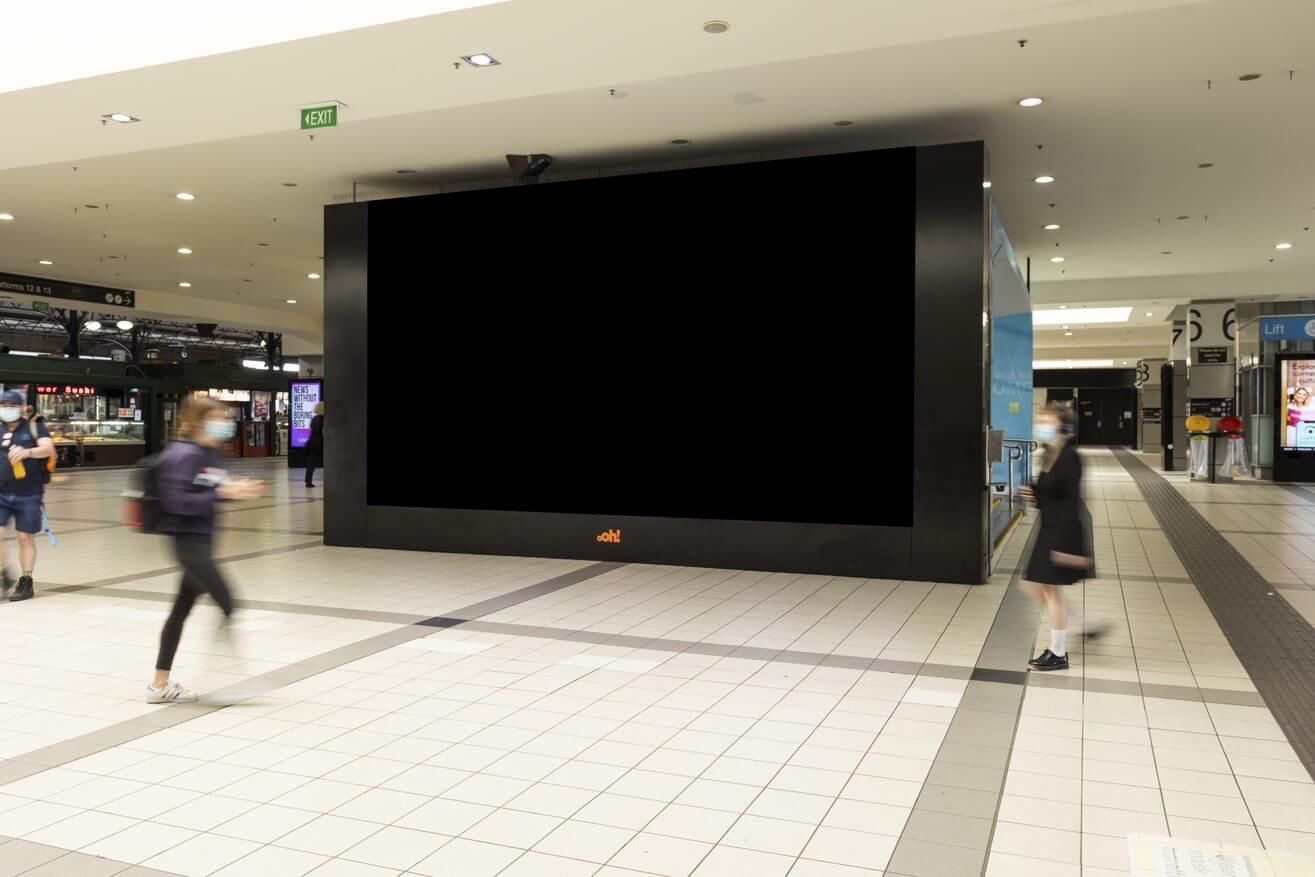
oOh! Media
Train Stations
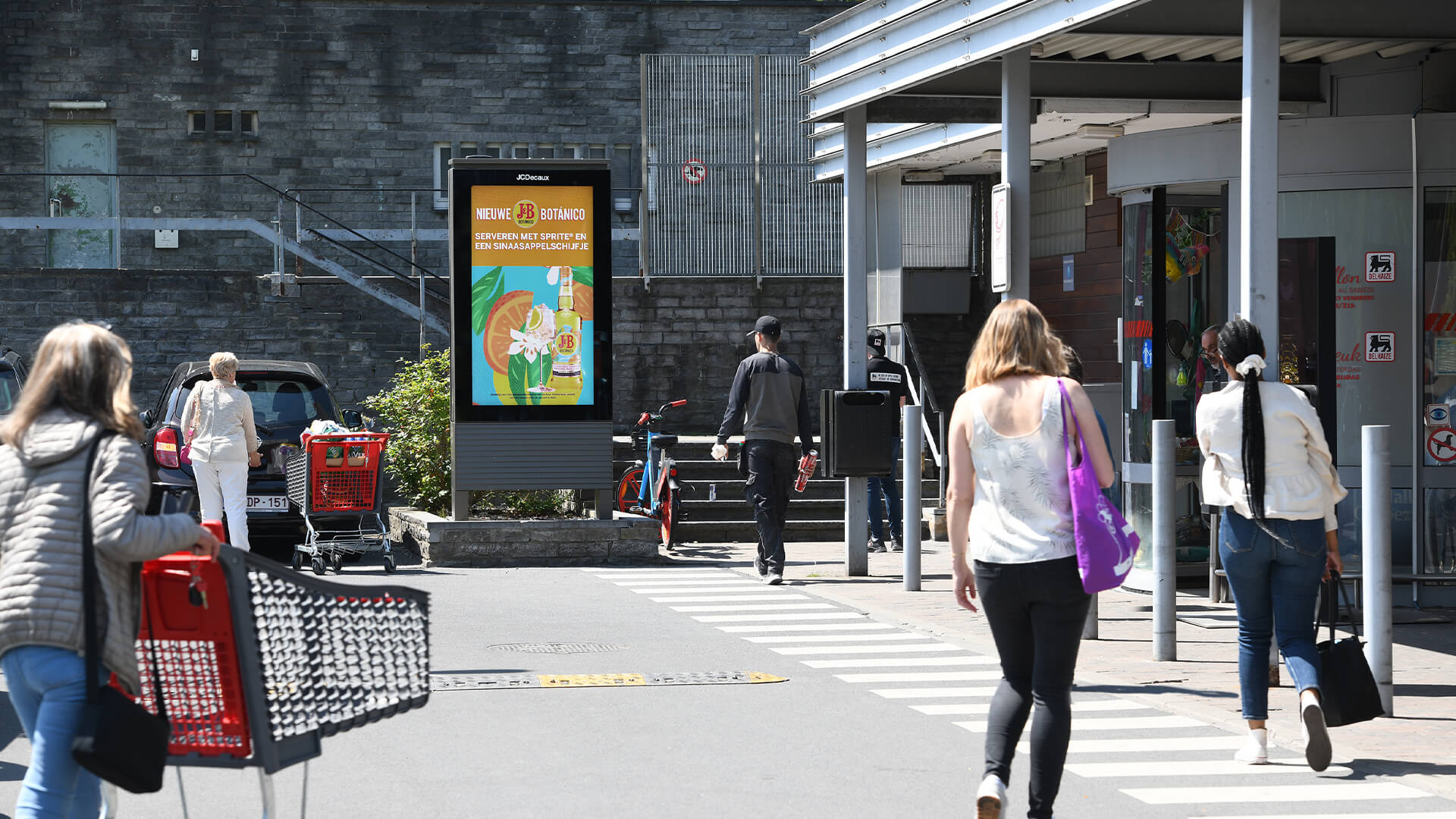
Jcdecaux Belgium
Grocery
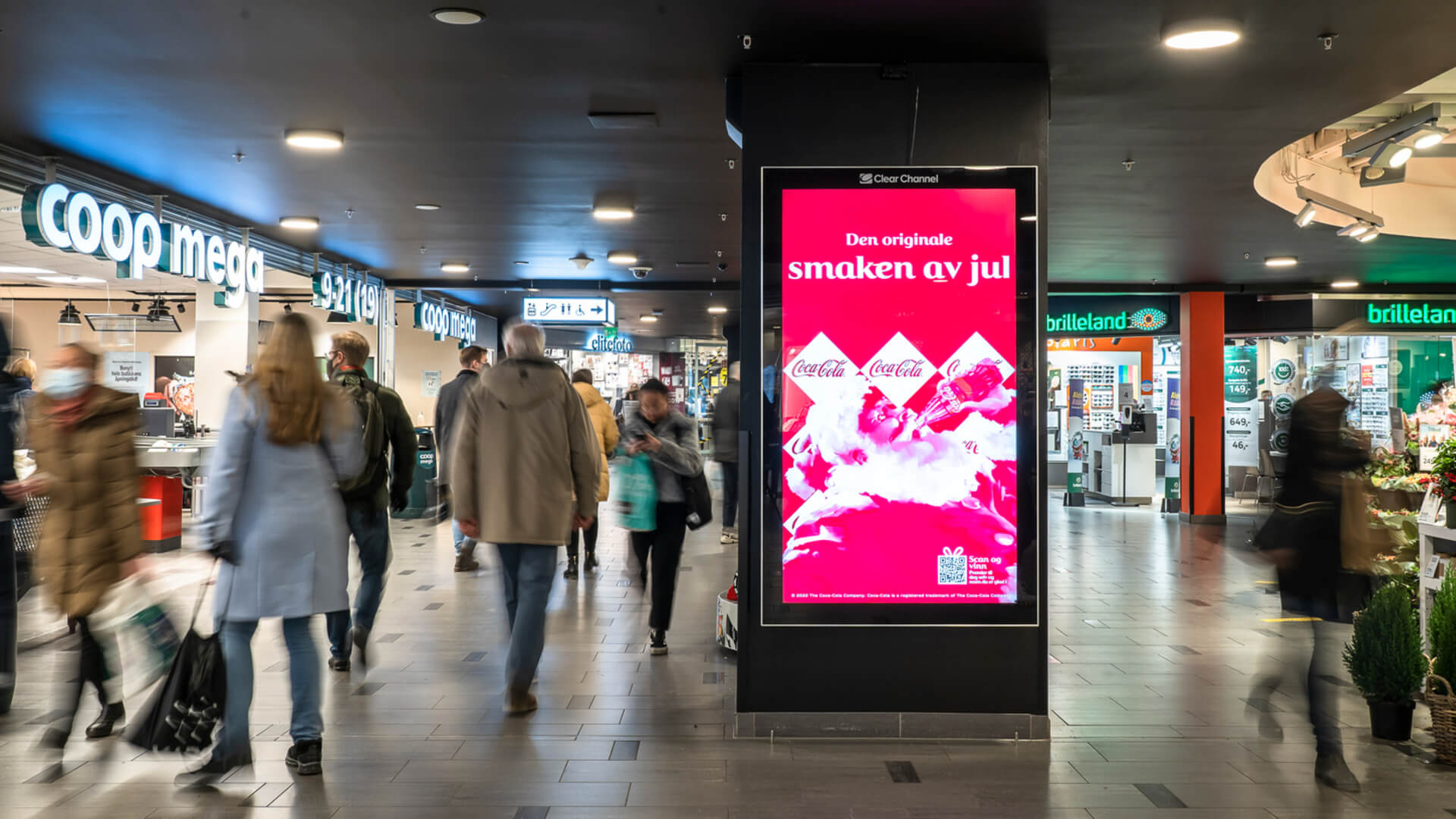
Bauer Media Outdoor No
Malls
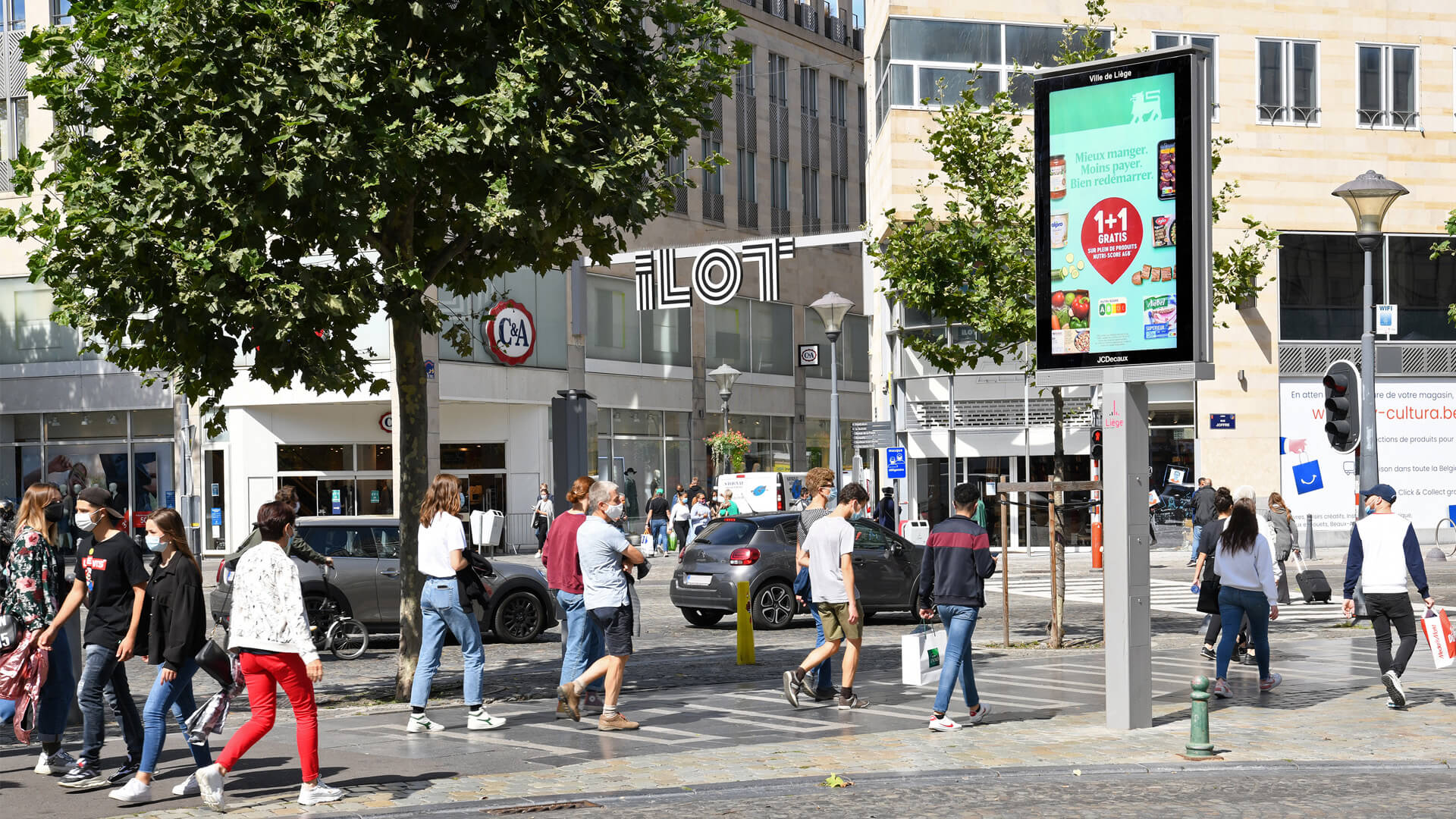
Jcdecaux Belgium
Urban Panels
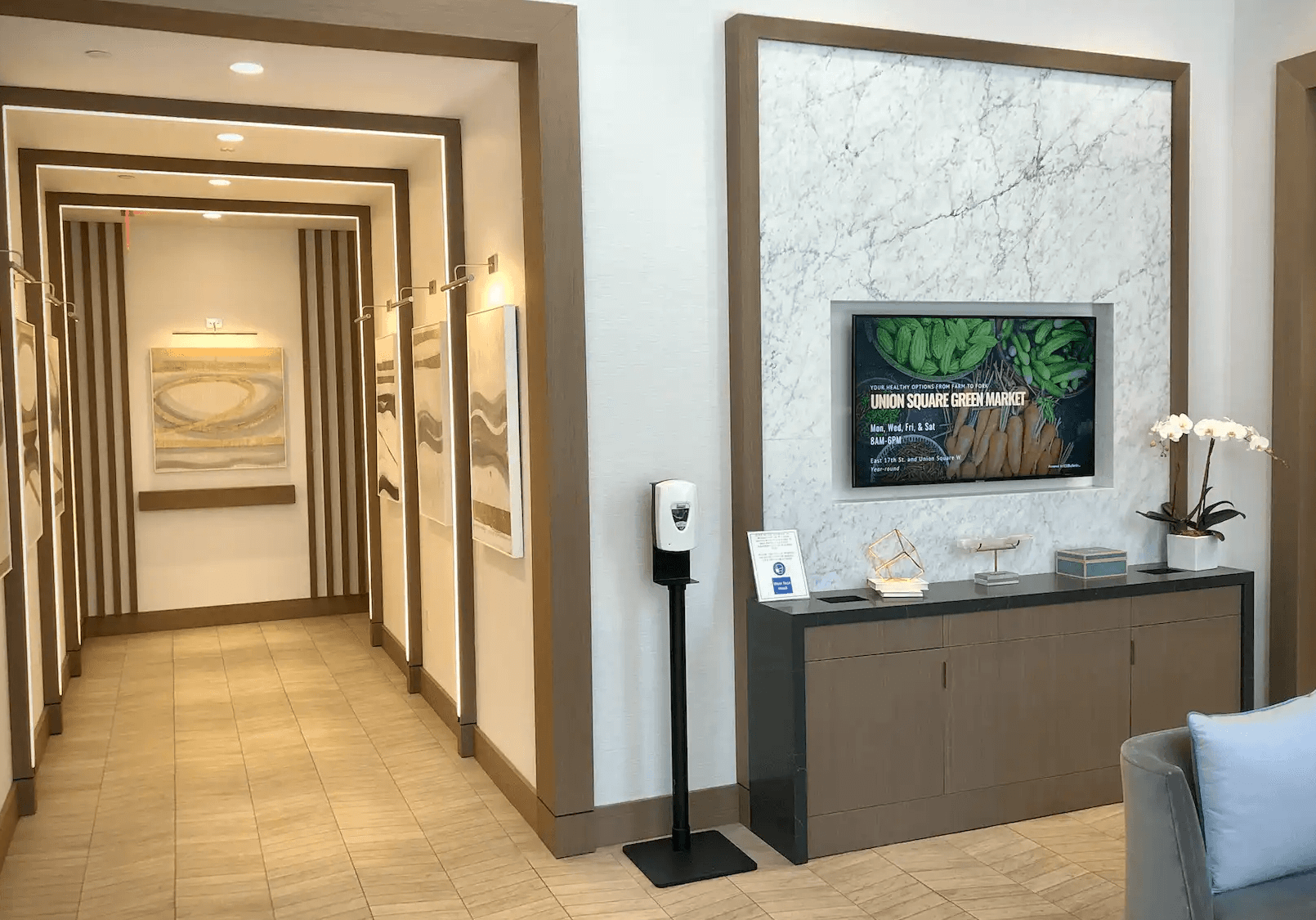
Screenverse
Residential
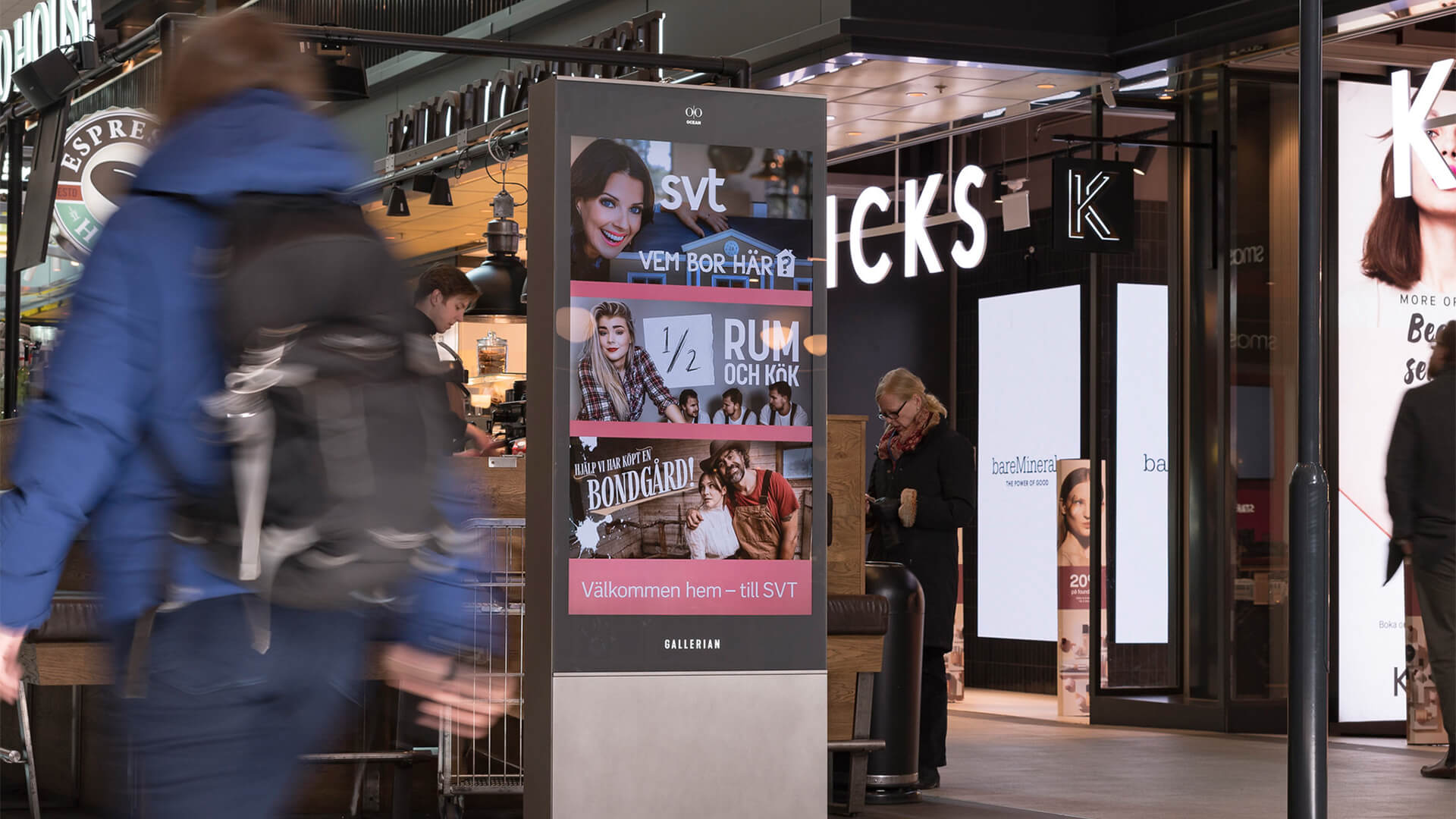
Ocean Outdoor Sweden
Malls
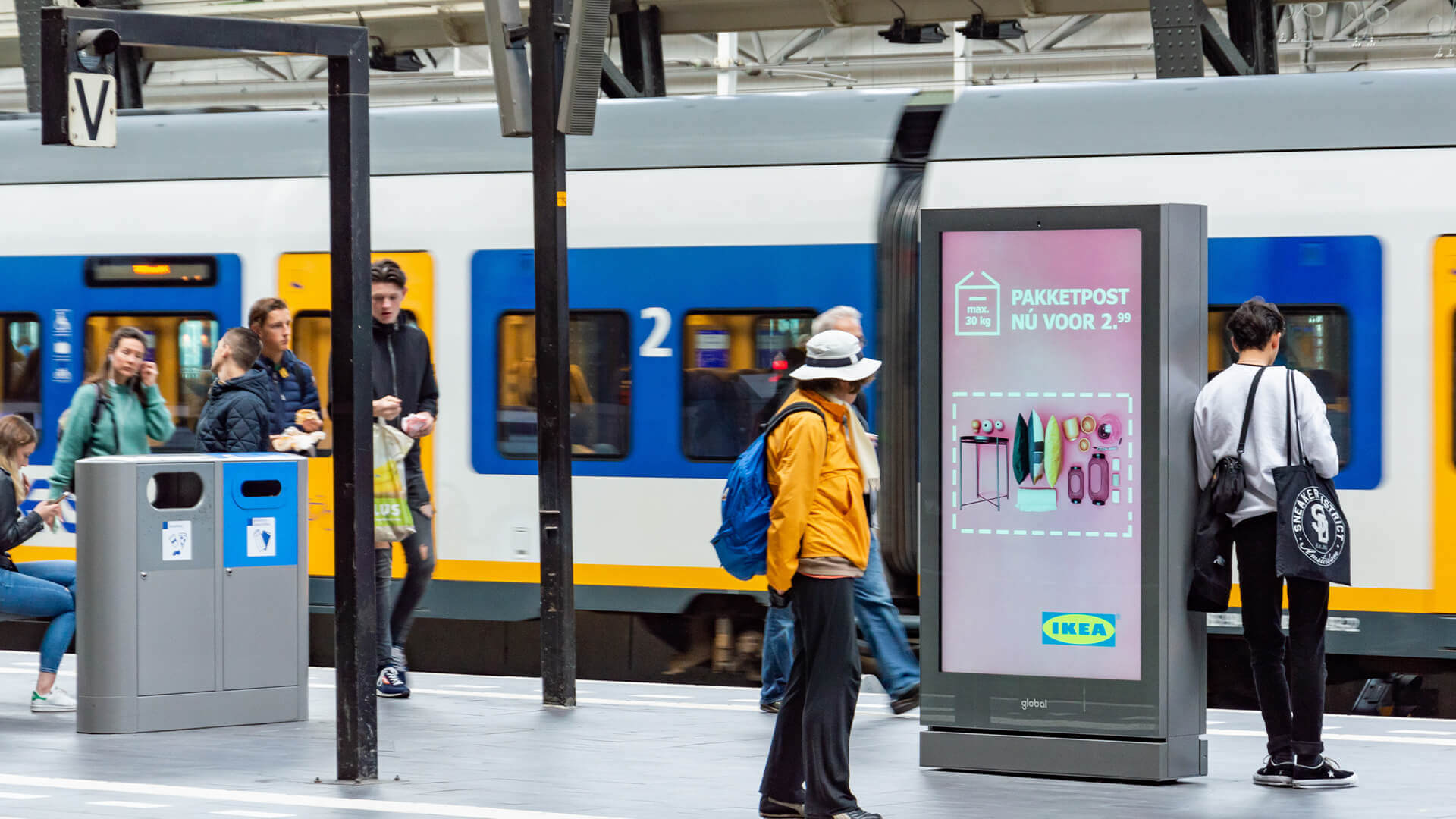
Global Nl
Train Stations
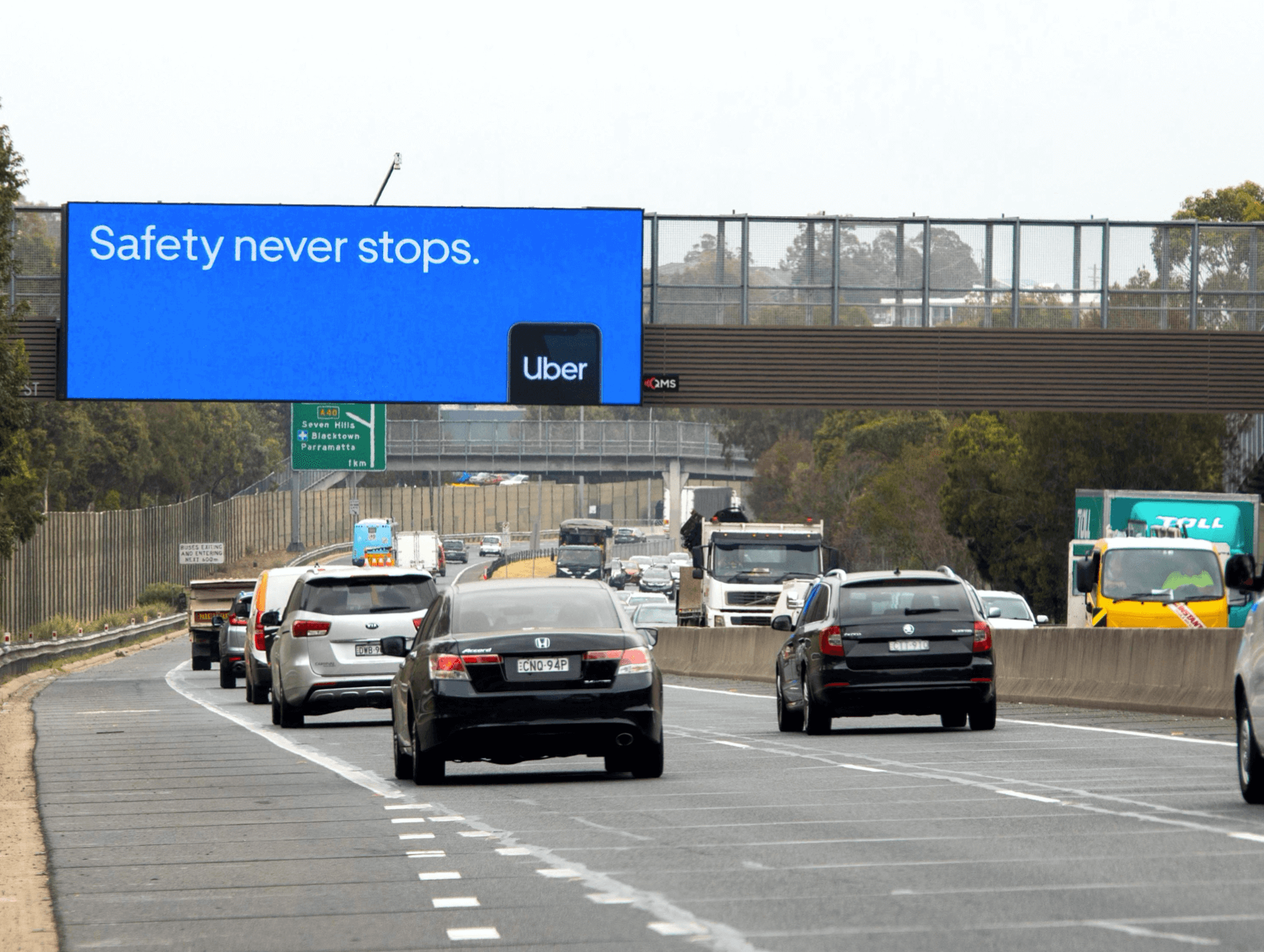
V1 Qms
Billboards
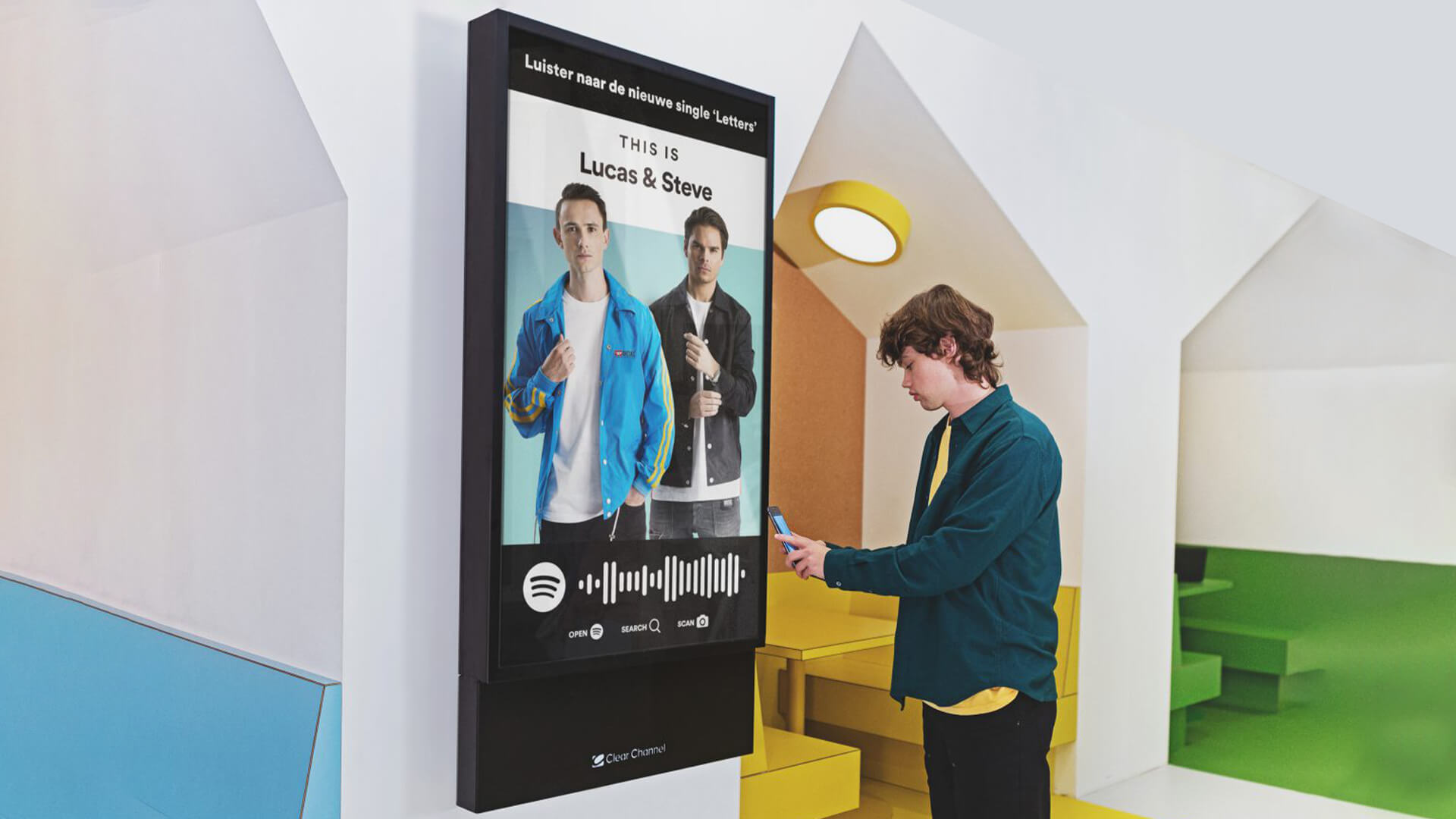
Bauer Media Outdoor Nl
Schools
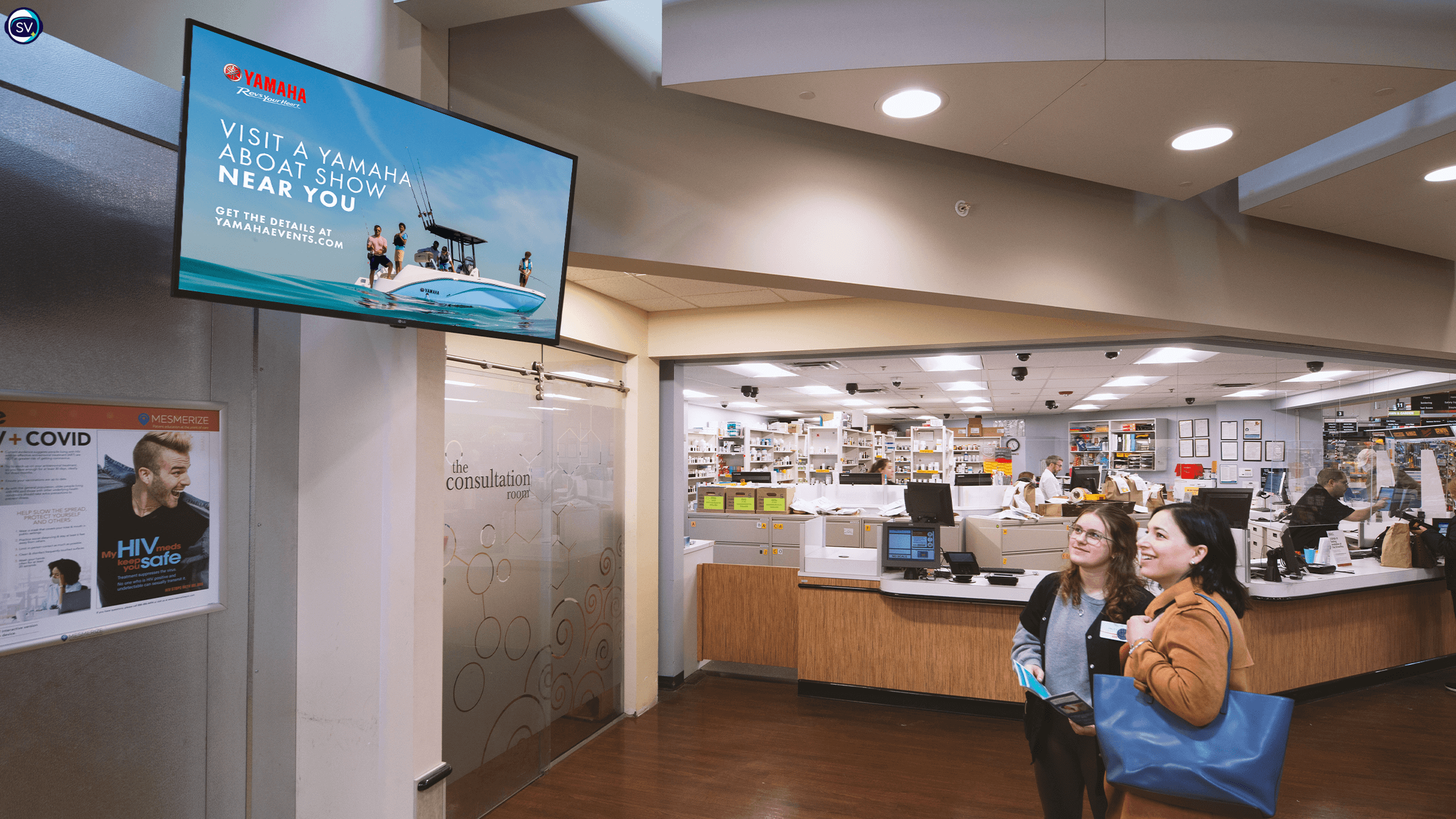
Screenverse
Pharmacies
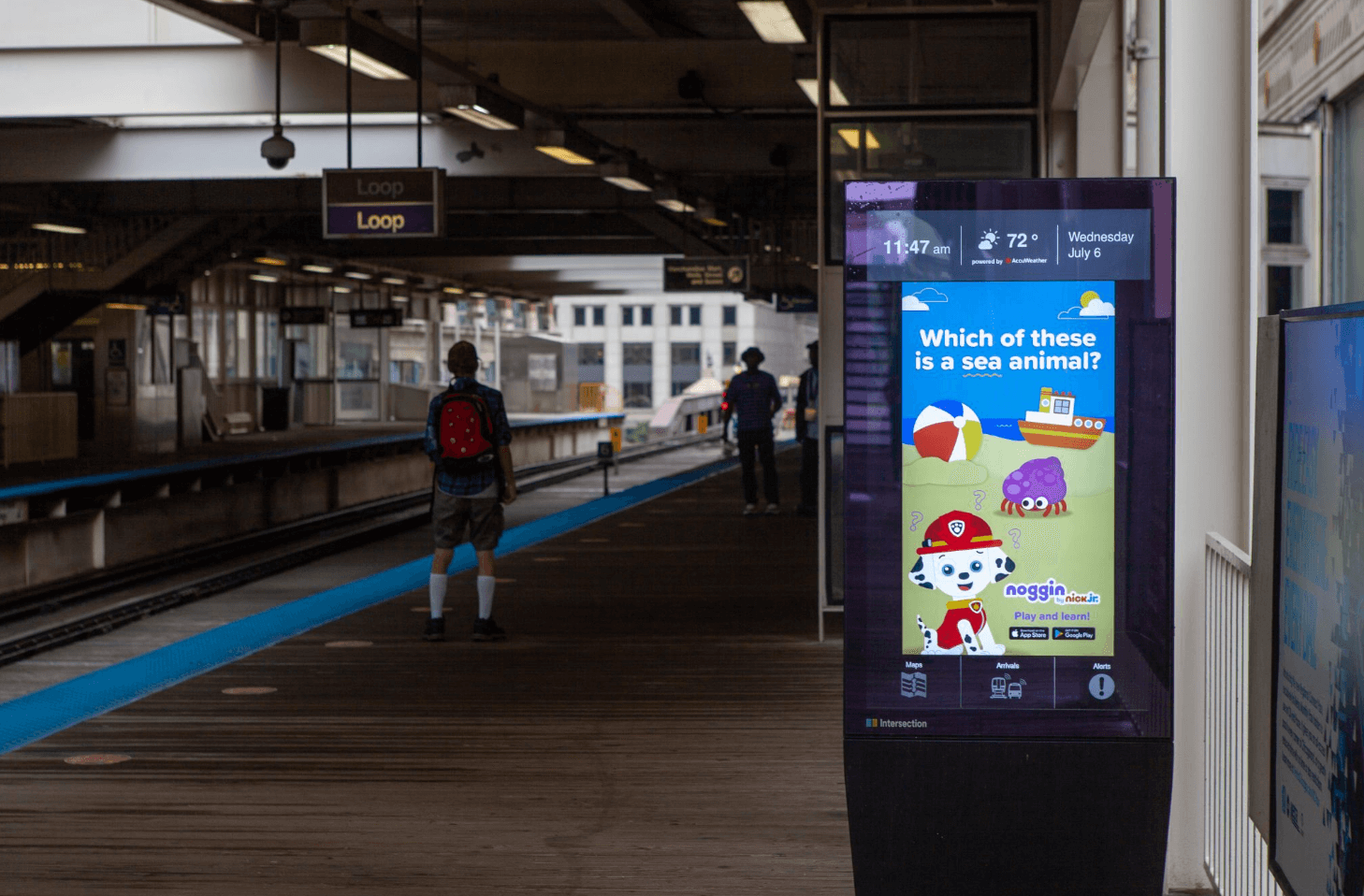
Intersection
Train Stations
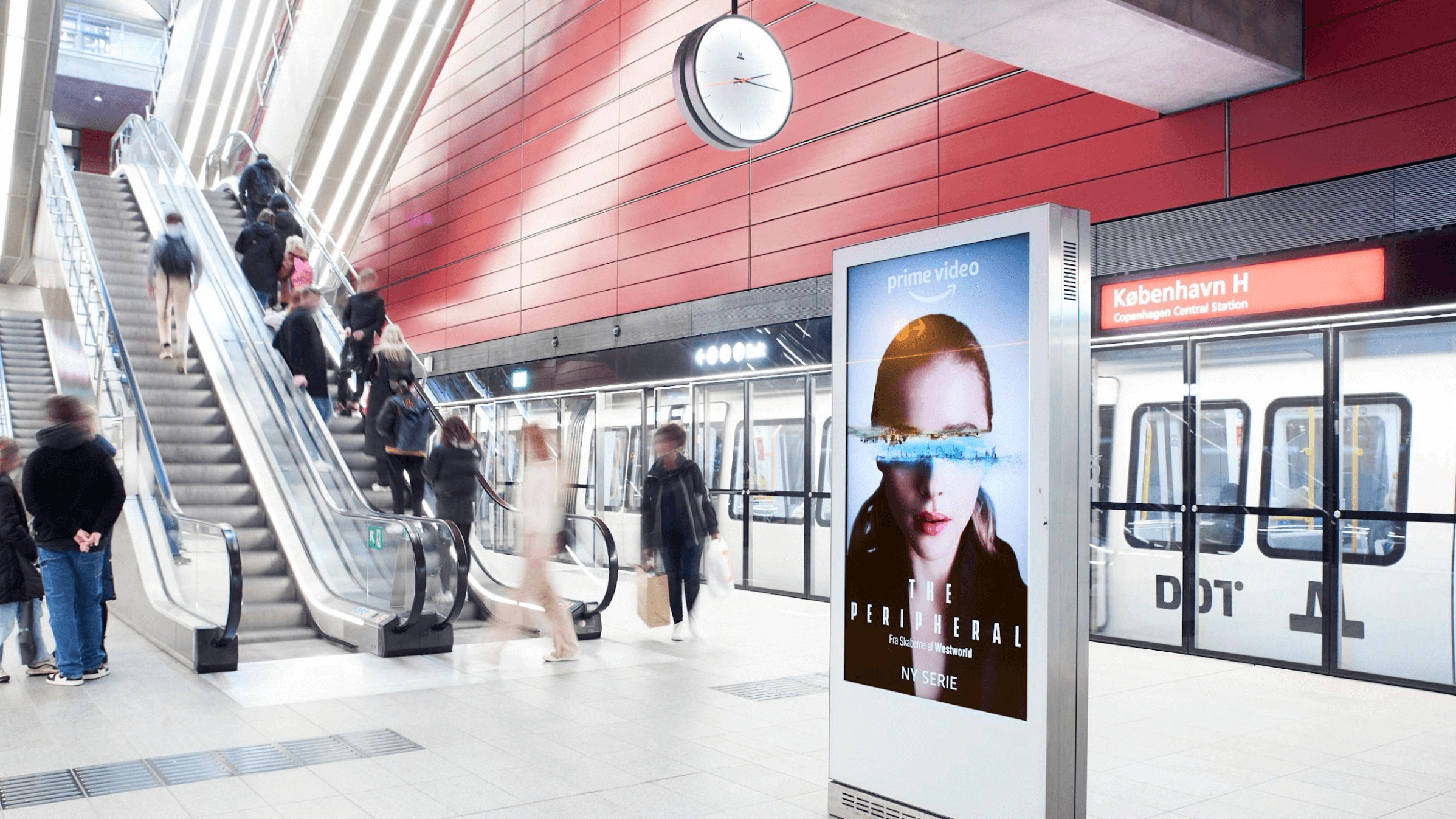
Bauer Media Outdoor Dk
Subway
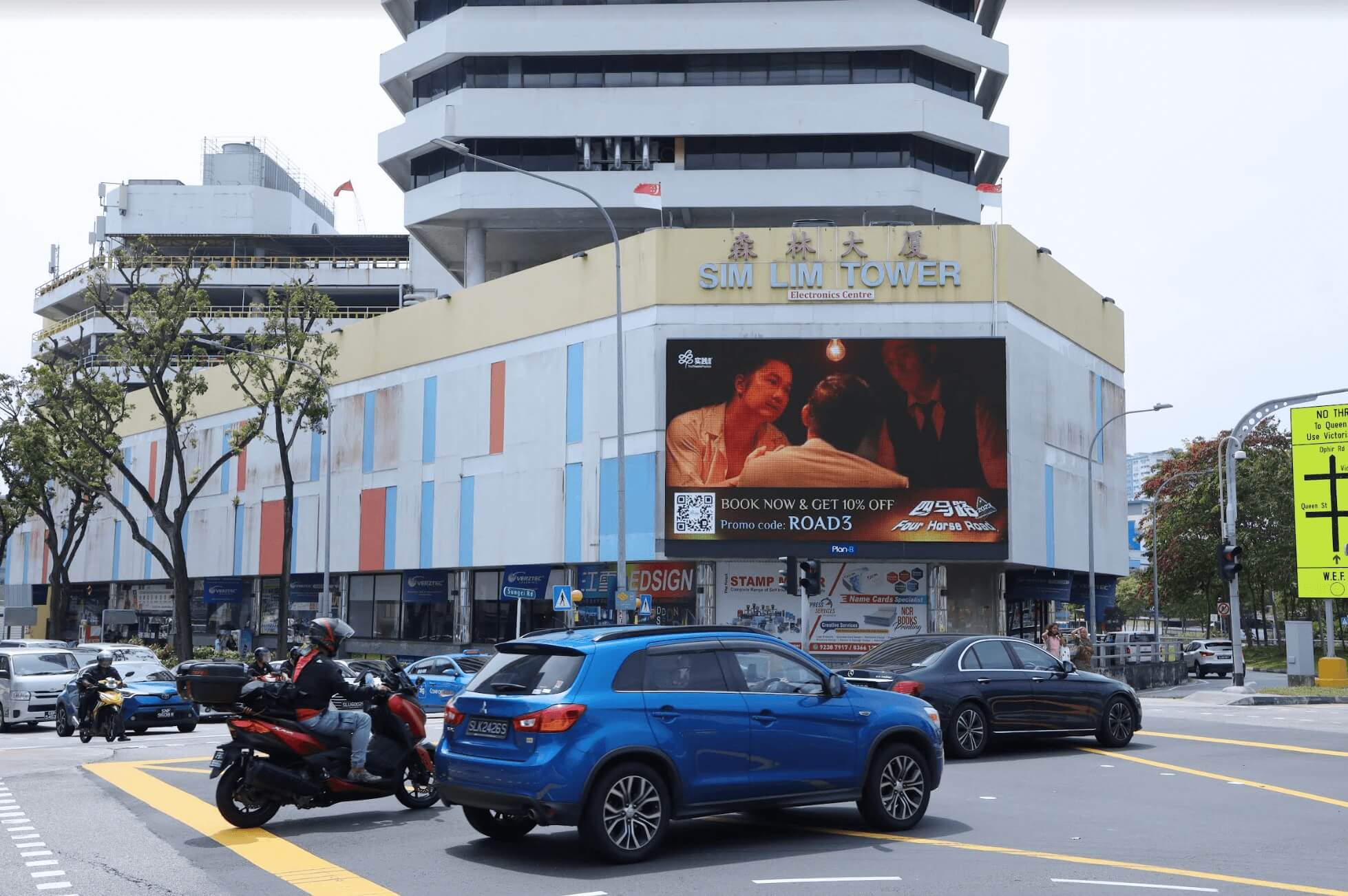
Planb
Billboards
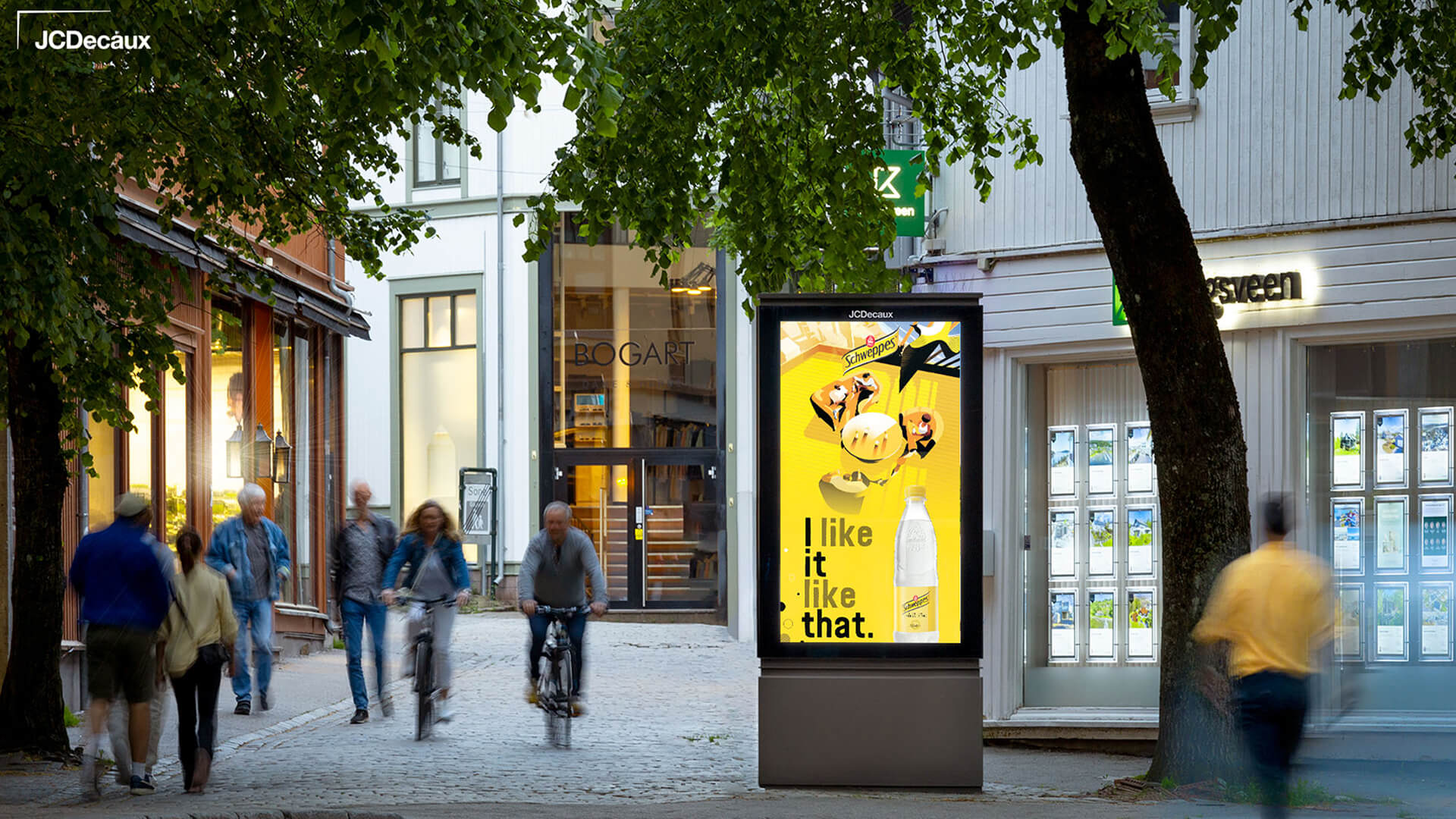
Jcdecaux Norway
Billboards
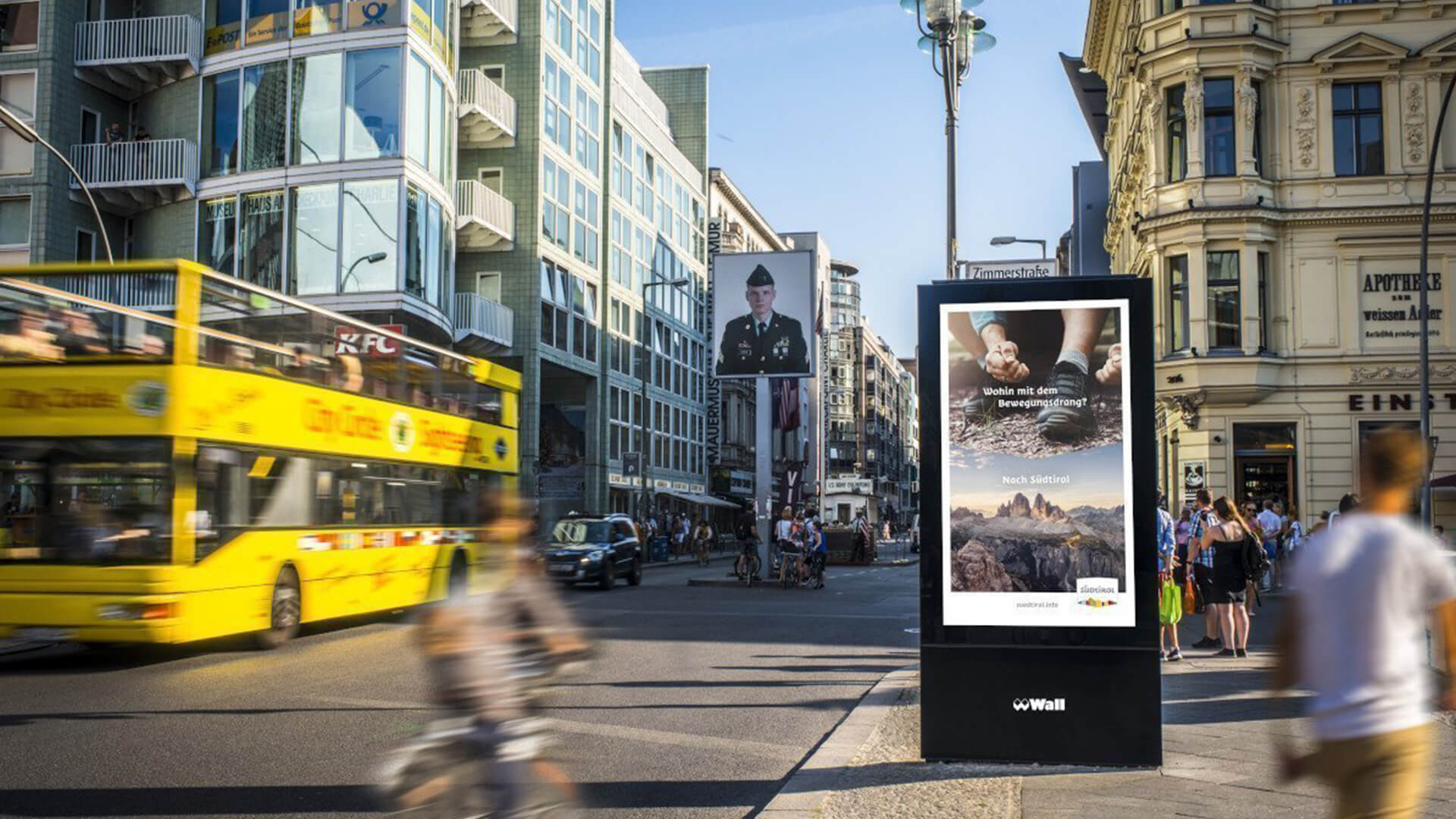
Walldecaux
Billboards
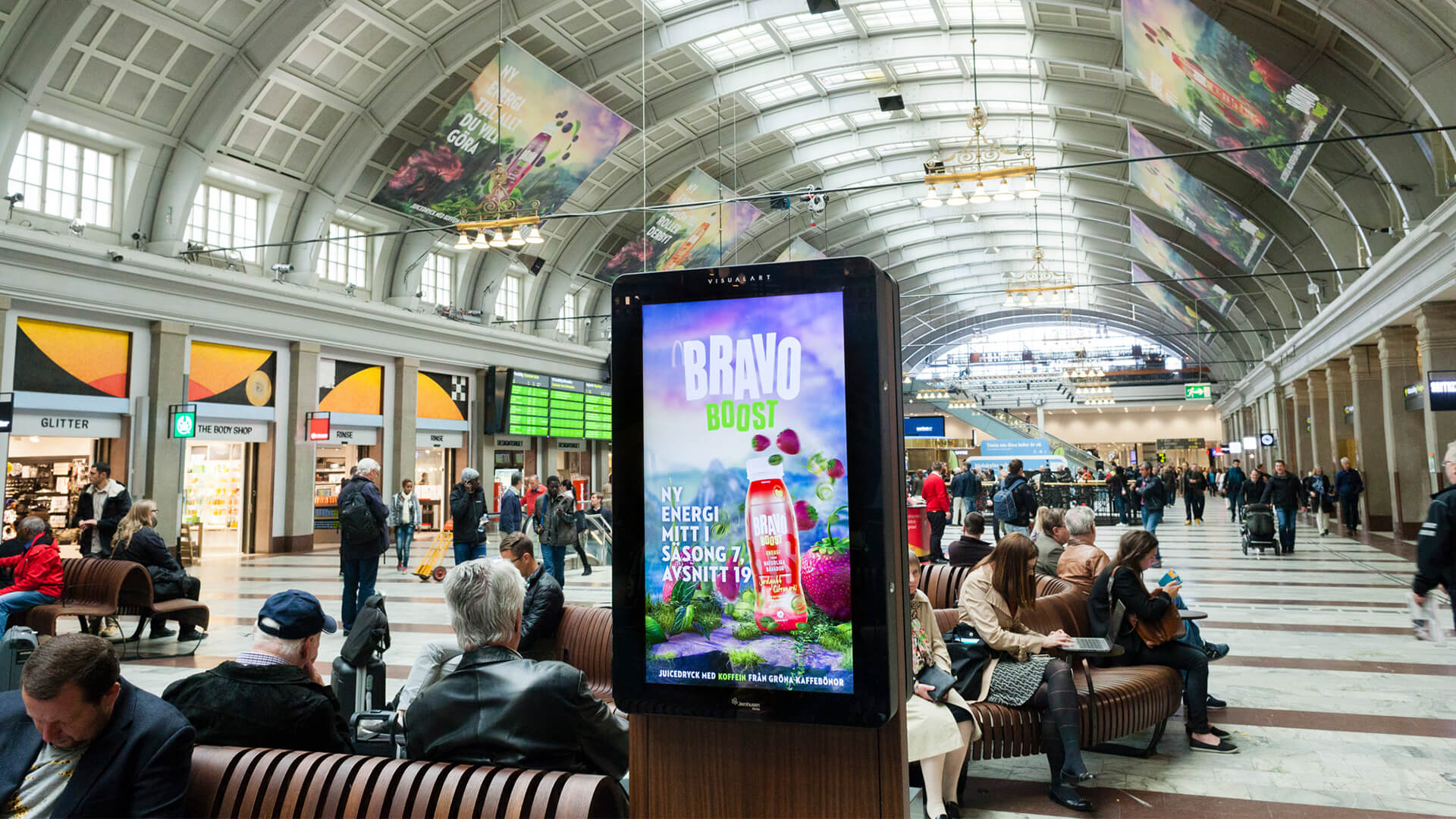
Ocean Outdoor Sweden
Train Stations
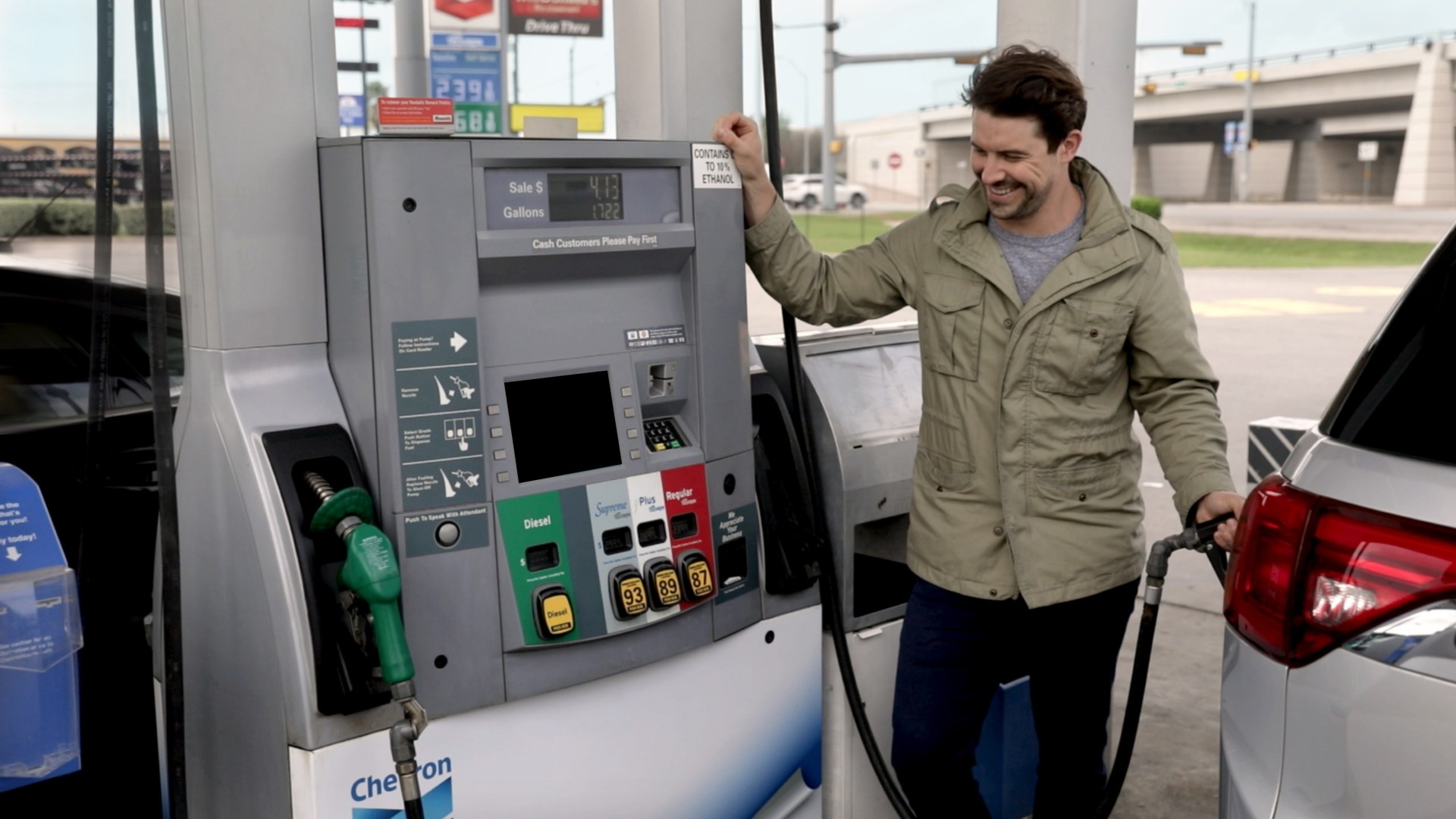
Gstv
Gas Stations
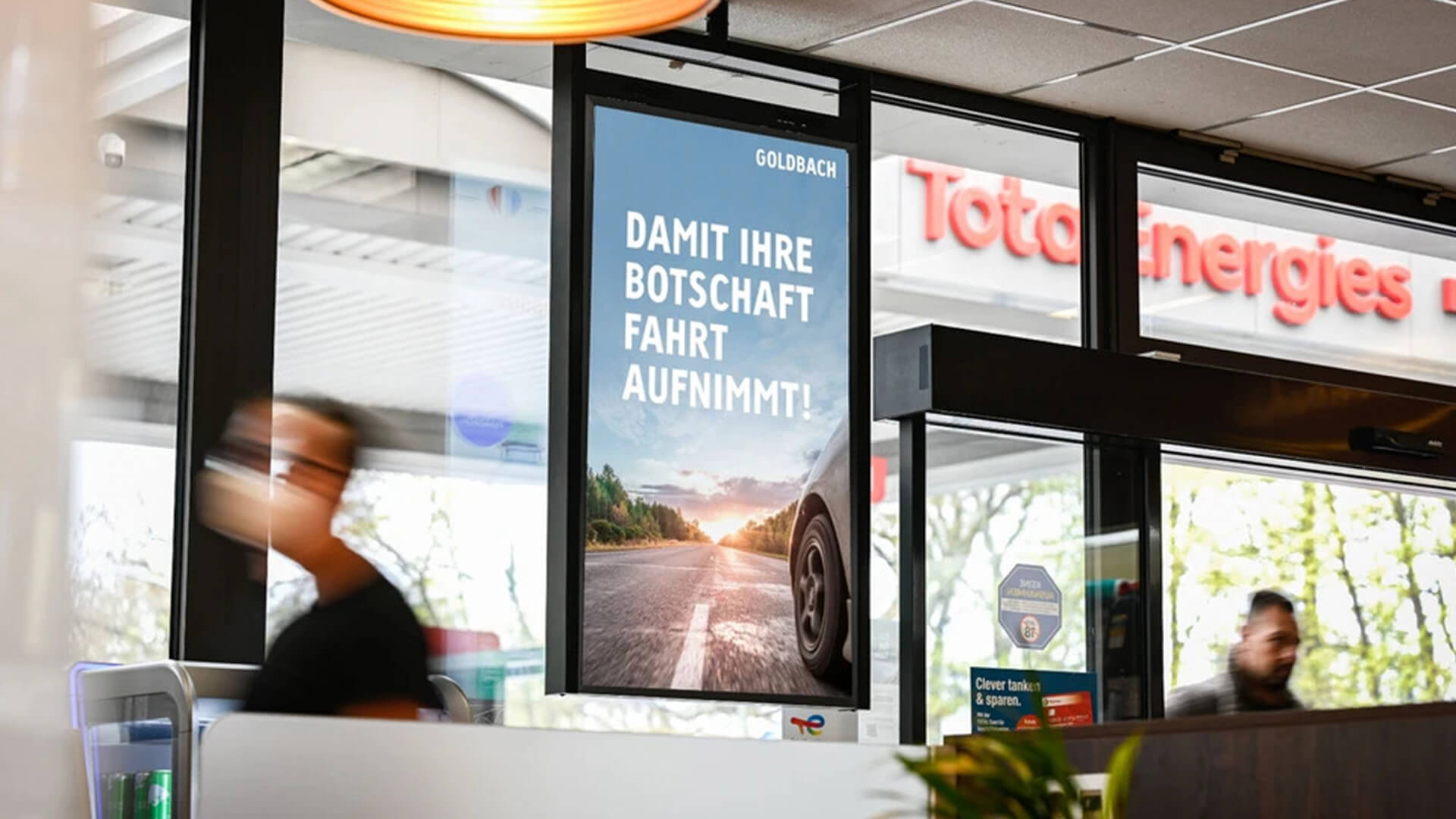
Goldbach
Gas Stations
Explore
Go deeper by venue, market, or industry.
Venue Types
📺Billboards
Mass market commuters and highway travelers
⛽Gas Stations
Drivers during 3–5 min fuel stops — broadest demographic reach in DOOH
💪Gyms
Active adults 18–49, HHI 15% above market average
✈️Airports
Frequent travelers, HHI $125K+, business and leisure flyers
🛒Grocery Stores
Primary household shoppers, 15–25 min dwell, active purchase intent
🍺Bars
Social adults 21–45, actively deciding what to drink and eat
🏪Convenience Stores
On-the-go consumers, 2–3 visits per week average, broad demographic
🏢Office Buildings
White-collar professionals and decision-makers — highest-income DOOH audience at scale
🏬Malls
Shoppers in active purchase mode, skews female 25–54, family households
🚇Subway
Urban mass transit riders — educated, diverse, urban core
🏟️Stadiums
Sports fans and live event attendees — demographics vary sharply by sport
🎬Movie Theaters
Entertainment-seeking consumers 18–34, co-viewing groups
Top Markets
Industries
The one-line takeaway
DOOH is programmatic media you already know how to buy — minus the cookie, minus the click, plus the impact of the real world.
Plan it audience-first. Build creative that reads in four seconds. Measure it on lift. Wire it into your omnichannel sequence. Start with one small test and let the results make the case.
Request Platform Access